Archives
- 2026-09
- 2026-08
- 2026-07
- 2026-06
- 2026-05
- 2026-04
- 2026-03
- 2026-02
- 2026-01
- 2025-12
- 2025-11
- 2025-10
- 2025-09
- 2025-04
- 2025-03
- 2025-02
- 2025-01
- 2024-12
- 2024-11
- 2024-10
- 2024-09
- 2024-08
- 2024-07
- 2024-06
- 2024-05
- 2024-04
- 2024-03
- 2024-02
- 2024-01
- 2023-12
- 2023-11
- 2023-10
- 2023-09
- 2023-08
- 2023-07
- 2023-06
- 2023-05
- 2023-04
- 2023-03
- 2023-02
- 2023-01
- 2022-12
- 2022-11
- 2022-10
- 2022-09
- 2022-08
- 2022-07
- 2022-06
- 2022-05
- 2022-04
- 2022-03
- 2022-02
- 2022-01
-
QX 314 chloride In vitro studies with soman inhibited
2025-02-20
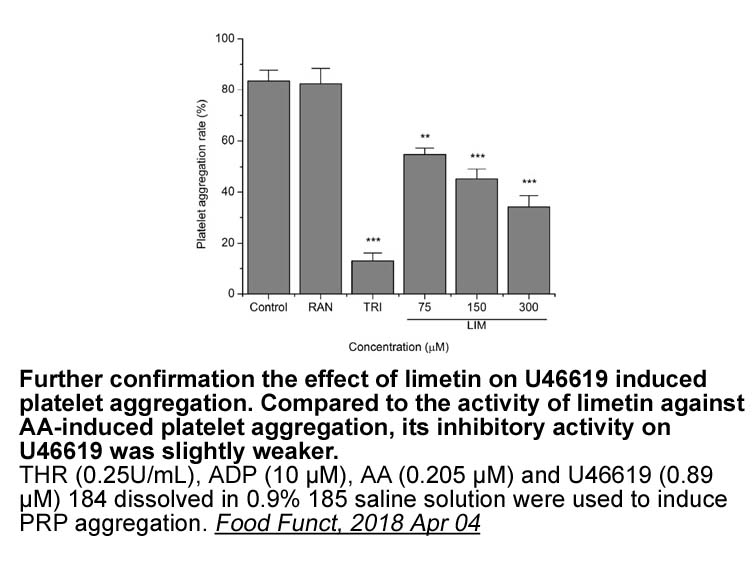
In vitro studies with soman-inhibited, non-aged AChE revealed a species dependent reactivating potency of HI-6 and MMB-4. With guinea pig AChE second order reactivation rate constants of 0.051 and 0.038mM−1min−1 were determined for HI-6 and MMB-4, respectively (Luo et al., 2007). Corresponding value
-
br Discussion Here we focused on seven
2025-02-20
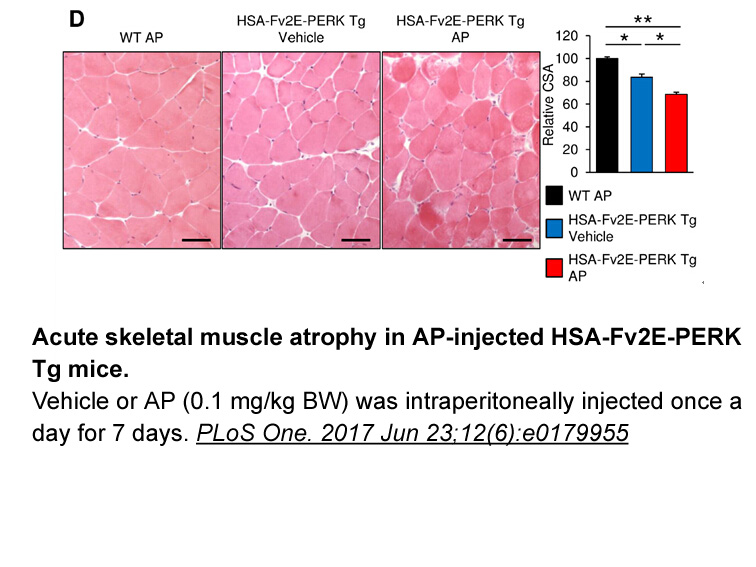
Discussion Here, we focused on seven plant alkaloids extracted from yokukansan. These alkaloids individually inhibited 5-HT-mediated 5-HT3A and 5-HT3AB receptor currents weakly. Simultaneous administration of these alkaloids, however, inhibited the 5-HT3A and 5-HT3AB receptor currents strongly. T
-
INNO-406 br Conclusion br List of
2025-02-20
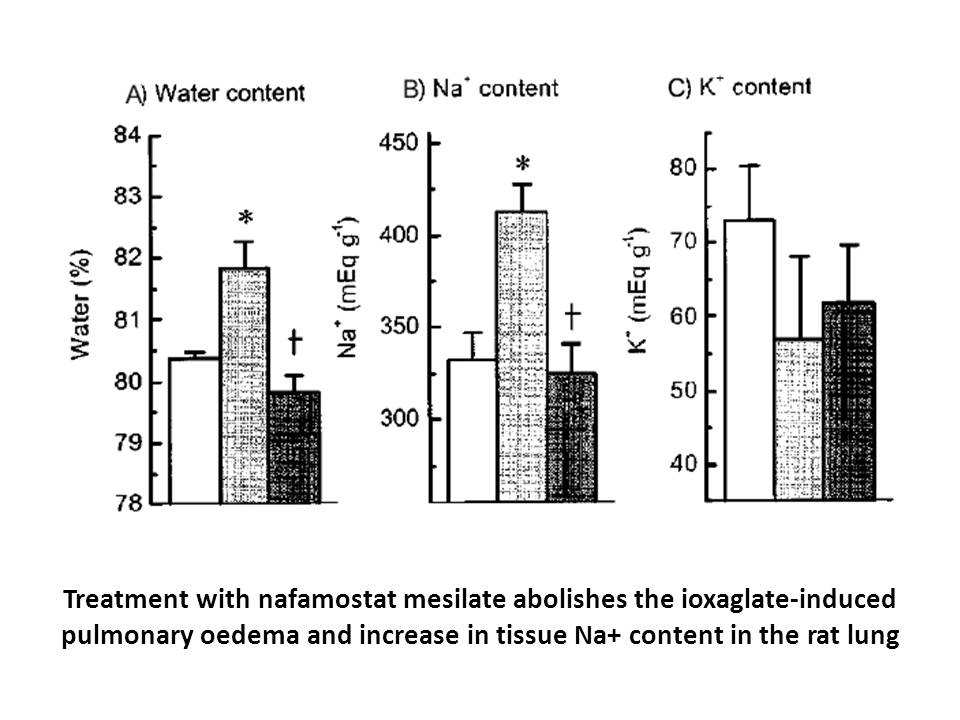
Conclusion List of abbreviations Acknowledgment The studies performed by our laboratory and presented in this review were supported by the Ministry of Education, Culture, Sports, Science and Technology of Japan, (KAKENHI 17590618 [to H.I.] and KAKENHI 22249017 [to Y.Y.]), and the Japanese S
-
Preliminary results of studies sponsored by the manufacturer
2025-02-20
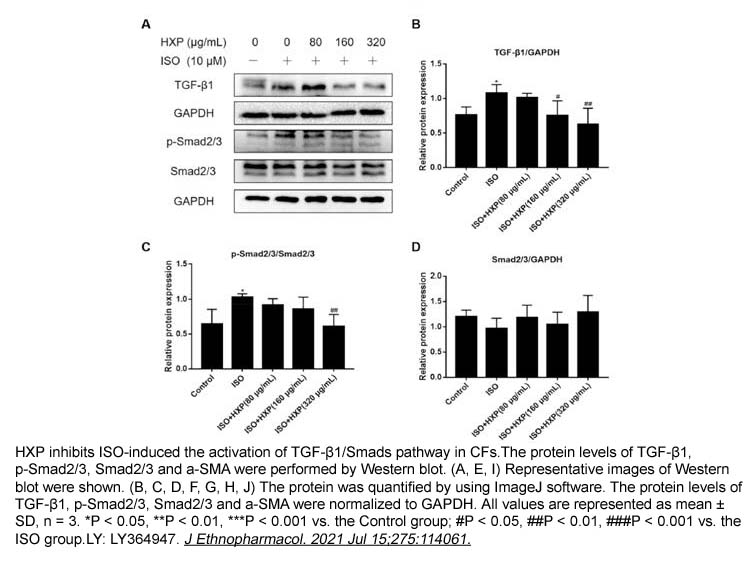
Preliminary results of studies sponsored by the manufacturer of ETC-1002 have also shown positive results for monotherapy in statin-intolerant patients and for the combined use of the ACL inhibitor plus other cholesterol-reducing agents. In patients with a documented history of intolerance to statin
-
Of the many different types of
2025-02-20
Of the many different types of DNA lesions, DNA double strand breaks (DSBs) are amongst the most deleterious. It has been suggested that a single unrepaired DSB may be sufficient to induce cell death (Bennett et al., 1993), whereas misrepaired DSBs can result in loss of genetic information, potentia
-
There are profound differences between acute and
2025-02-20

There are profound differences between acute and chronic pain when dramatic changes occur in peripheral nociceptors and central nociceptive pathways and the pain system is sensitised thereby leading to exaggerated responses to noxious stimuli (hyperalgesia) and responses to non-noxious stimuli (allo
-
Green fluorescent dUTP br Apelin The APJ receptor ligand ape
2025-02-19
Apelin The APJ receptor ligand apelin firstly in 1998 was segregated from bovine stomach tissue. Human preproapelin gene located on chromosome Xq25–26.1. The apelin preproproteins consist of 77 amino Green fluorescent dUTP residues that are cleaved into biologically active C-terminal fragments o
-
br Experimental section br Acknowledgements The authors than
2025-02-19
Experimental section Acknowledgements The authors thank Prof. Yongbing Cao from School of Pharmacy, the Second Military Medical University, for providing the fluconazole-resistant strains of Candida albicans(strain 100 and strain 103). This work was supported by Program for Innovative Research
-
About three weeks later the patient visited our
2025-02-19
About three weeks later, the patient visited our outpatient clinic complaining of gingival bleeding and pus discharge. In clinical examination bone exposure was observed in both mandibular posterior regions and bone necrosis had developed surrounding the #35=37 and 46, 47 implants installed 6 years
-
Various antiangiogenic drugs have been analyzed over the las
2025-02-19
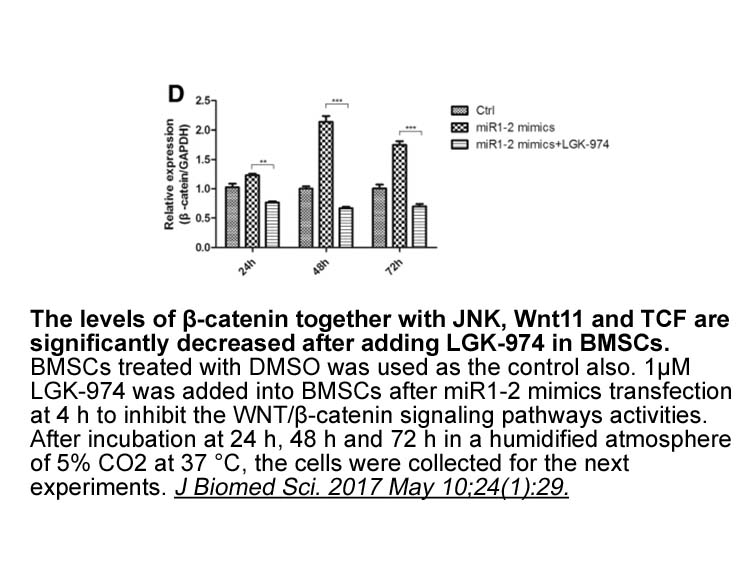
Various antiangiogenic drugs have been analyzed over the last few years; noteworthy, bevacizumab, a monoclonal antibody against VEGF-A, alone or in combination with cytotoxic agents showed interesting results in terms of radiographic response rates and progression-free survival in initial phase 2 st
-
In our sequential model for tau and
2025-02-19
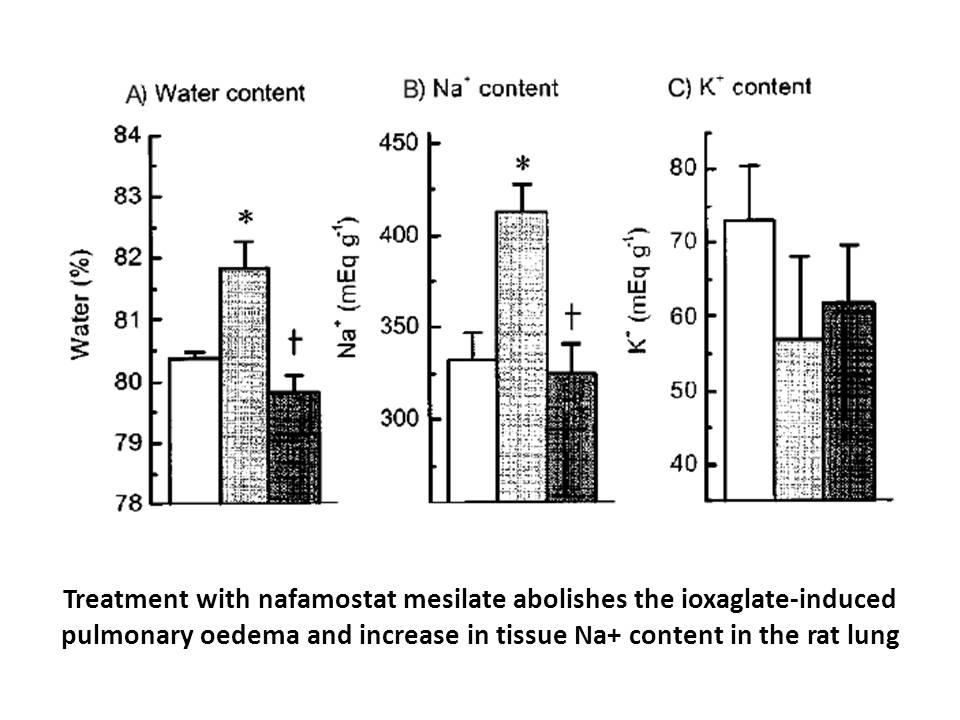
In our sequential model for tau and Aβ deposition, we included the tau deposition in the medial temporal Rottlerin sale in the absence of Aβ deposition, which is a pathological definition of primary age-related tauopathy (PART). Although the tau pathologies in PART and AD are almost identical in th
-
A straightforward synthetic pathway was adopted to synthesiz
2025-02-19
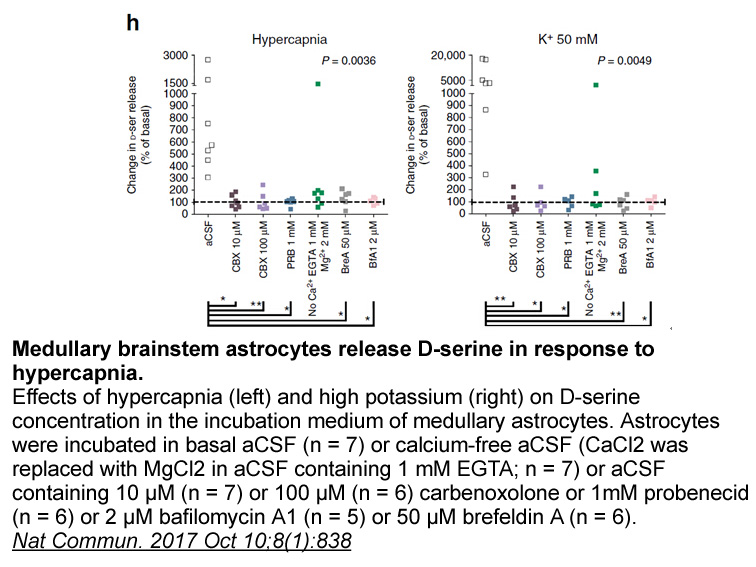
A straightforward synthetic pathway was adopted to synthesize the target compounds as outlined in . The starting chloromethylquinazolinones (–) were synthesized from anthranilic NGB 2904 in two steps following reported procedures., , , The first step involves chloroacetylation of anthranilic acid
-
br Materials and methods br
2025-02-19
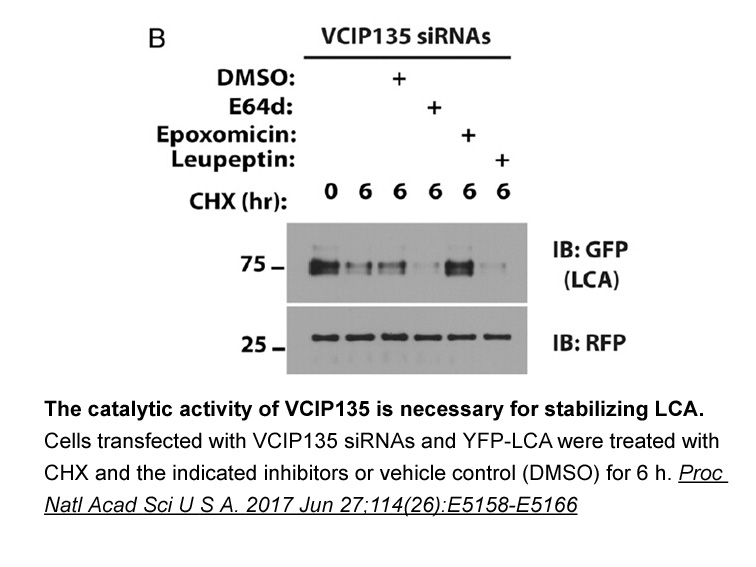
Materials and methods Results Discussion In the present study, we identified HBP1 as a novel substrate of AKT. This was demonstrated by in vitro phosphorylation assays and western blotting using phosphosite-specific antibodies. Three sites were identified by mass spectrometry and mutagenesi
-
br AHR expression in cancer
2025-02-19
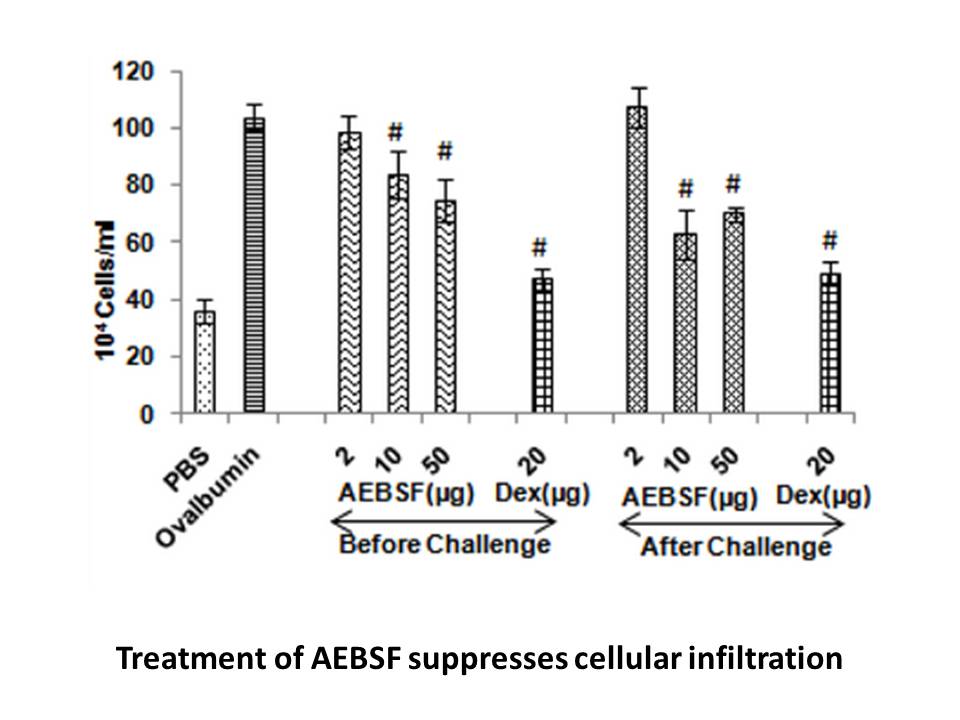
AHR expression in cancer Perhaps the earliest indicator that the AHR might play an ongoing role in tumorigenesis, independent of its role in generating mutations, was the demonstration that non-genotoxic 2,3,7,8-tetrachlorodibenzo(p)dioxin (TCDD) is a carcinogen in animals and humans [7]. Althoug
-
The study by Lo http
2025-02-19
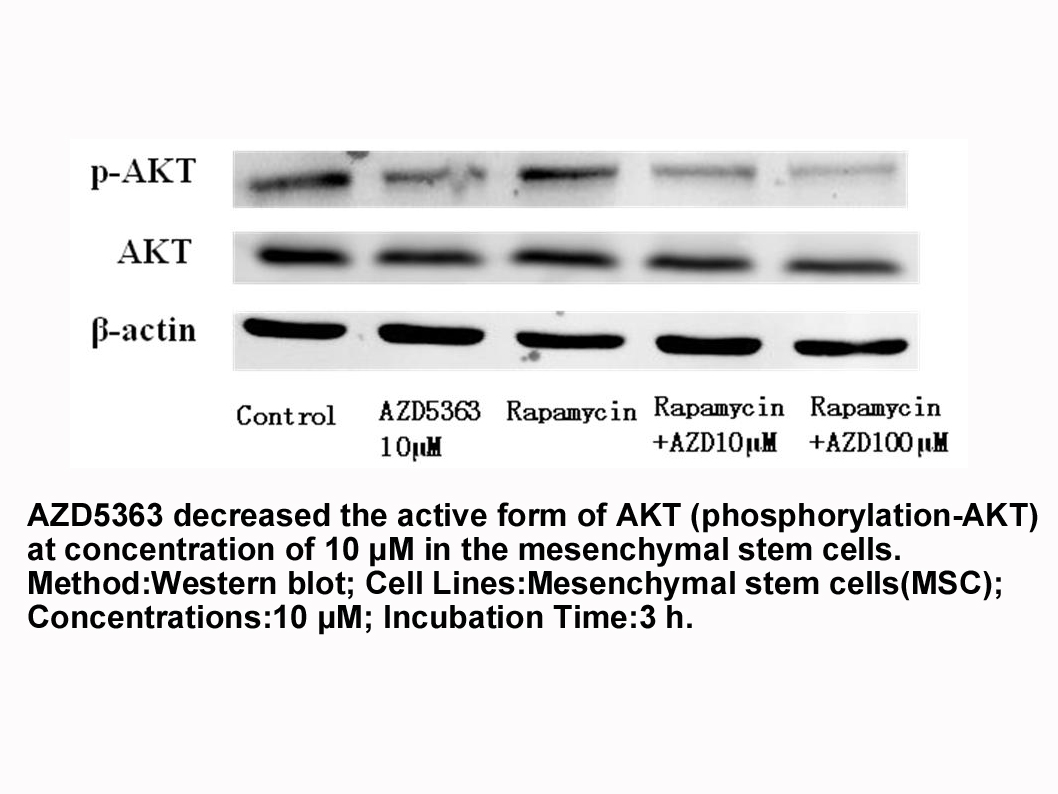
The study by Lowry et al. (2001) pointed toward functionally uncharacterized DA- and 5-HT-accumulating neurons within the DMH as a potential target for rapid nongenomic effects of CORT. Similar DA- and 5-HT-accumulating systems are distributed throughout the central and peripheral nervous systems, s
8449 records 46/564 page Previous Next First page 上5页 4647484950 下5页 Last page