Archives
- 2026-08
- 2026-07
- 2026-06
- 2026-05
- 2026-04
- 2026-03
- 2026-02
- 2026-01
- 2025-12
- 2025-11
- 2025-10
- 2025-09
- 2025-04
- 2025-03
- 2025-02
- 2025-01
- 2024-12
- 2024-11
- 2024-10
- 2024-09
- 2024-08
- 2024-07
- 2024-06
- 2024-05
- 2024-04
- 2024-03
- 2024-02
- 2024-01
- 2023-12
- 2023-11
- 2023-10
- 2023-09
- 2023-08
- 2023-07
- 2023-06
- 2023-05
- 2023-04
- 2023-03
- 2023-02
- 2023-01
- 2022-12
- 2022-11
- 2022-10
- 2022-09
- 2022-08
- 2022-07
- 2022-06
- 2022-05
- 2022-04
- 2022-03
- 2022-02
- 2022-01
- 2021-12
- 2021-11
- 2021-10
- 2021-09
- 2021-08
- 2021-07
- 2021-06
- 2021-05
- 2021-04
- 2021-03
- 2021-02
- 2021-01
- 2020-12
- 2020-11
- 2020-10
- 2020-09
- 2020-08
- 2020-07
- 2020-06
- 2020-05
- 2020-04
- 2020-03
- 2020-02
- 2020-01
- 2019-12
- 2019-11
- 2019-10
- 2019-09
- 2019-08
- 2019-07
- 2019-06
- 2019-05
- 2019-04
- 2018-11
- 2018-10
- 2018-07
-
Diabetes induced damage results in peripheral nerve patholog
2022-07-13
Diabetes-induced damage results in peripheral nerve pathology that Lesinurad correlates with clinical signs and symptoms. Nerve injury that results in structural changes can be measured through clinical neurological assessment, quantitative sensory testing, nerve conduction studies, and peripheral n
-
Simeprevir sale br Ligand binding free energies In order to
2022-07-13
Ligand-binding free energies In order to compute the absolute free Simeprevir sale associated with binding a ligand to a flexible iGluR LBD, a theory that accounts for all the principal thermodynamic contributions from ligand docking and LBD closure had to be developed. This was accomplished usi
-
Free fatty acid receptor FFAR
2022-07-13
Free fatty Sumatriptan receptor receptor 1 (FFAR1, also known as GPR40) belongs to the family of G protein-coupled receptors (GPCRs) and was de-orphanized in 2003 as a receptor for medium-to long-chain free fatty acids (FFAs) [9,10]. Mainly expressed in beta cells of pancreatic islets, GPR40 can be
-
Introduction The brain contains abundant fatty
2022-07-13
Introduction The brain contains abundant fatty acids, which serve as constituents of membranes and as an energy source. In addition, fatty acids and their metabolites contribute to signal transduction between neurons or neurons and glial cells, suggesting that fatty acids play a crucial role in dev
-
br Genetic rescue of GluR A dependent
2022-07-13
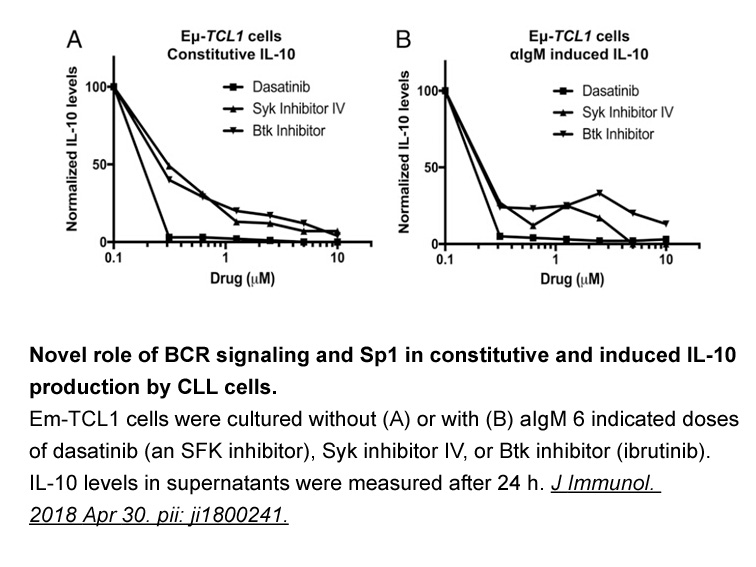
Genetic rescue of GluR-A-dependent spatial working memory Spatial working memory performance in GluR-A−/− mice can be restored by the forebrain-specific ll 37 of GluR-A subunits labeled with green-fluorescent protein (GFP) on an otherwise GluR-A knockout background (Schmitt et al., 2005). This g
-
In conclusion atorvastatin but not pravastatin impaired gluc
2022-07-13
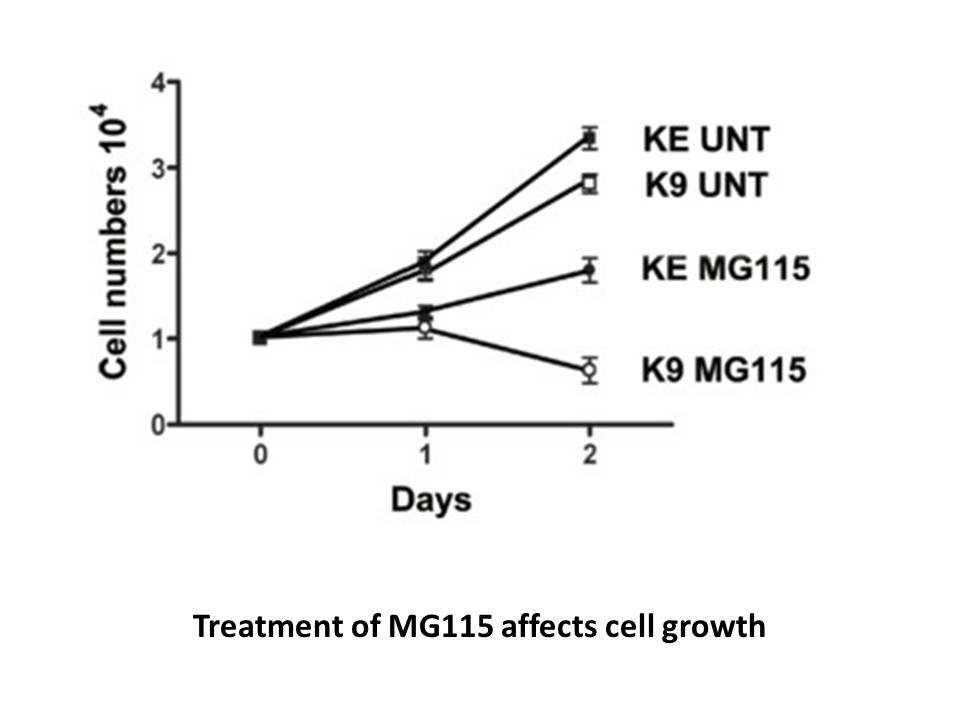
In conclusion, atorvastatin but not pravastatin impaired glucose utilization in C2C12 cells and glucose tolerance in HFD mice, which may be partly due to the inhibition of GLUT4 translocation in muscle cells. The decrease in the cholesterol level induced by atorvastatin may partly account for the in
-
Most excitingly we found the increased cells hold
2022-07-13
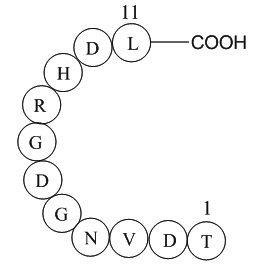
Most excitingly, we found the increased δ-cells hold the ability to trans-differentiate into β-cells in T1D mice. It has been shown that after near-total β-cell loss, juvenile mice display δ-to-β-cell conversion to recover diabetes, involving de-differentiation, proliferation and re-expression of is
-
Despite potent biological actions the native hormone undergo
2022-07-13
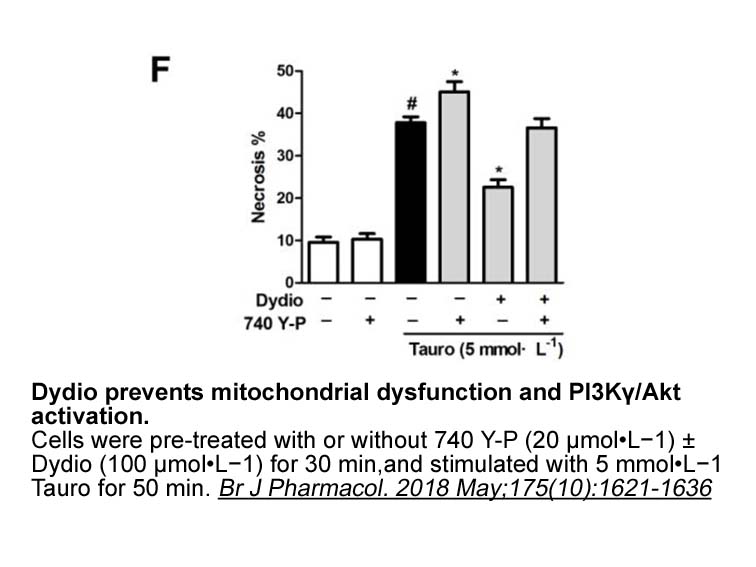
Despite potent biological actions, the native hormone undergoes degradation by the enzyme dipeptidylpeptidase-IV (DPP-IV) [17] and is rapidly cleared from the bloodstream by renal filtration [18]. One such approach to prolong the biological half-life of GIP is through conjugation with a polyethylene
-
While ghrelin s role in addictive behaviors has been most
2022-07-13
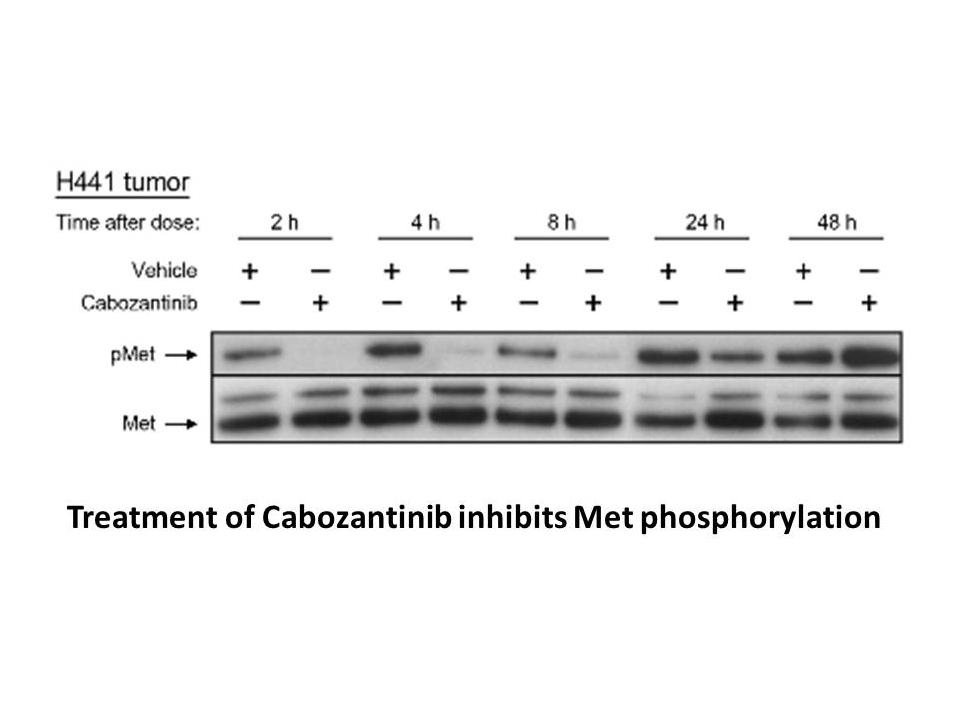
While ghrelin's role in addictive behaviors has been most extensively explored with alcohol, ghrelin has also been implicated in biobehavioral substrates of other drugs of abuse. For example, preclinical experiments suggest that GHS-R1a blockade may improve nicotine [155,156], opioids [[157], [158],
-
Mitochondria are also involved in other modalities of progra
2022-07-12
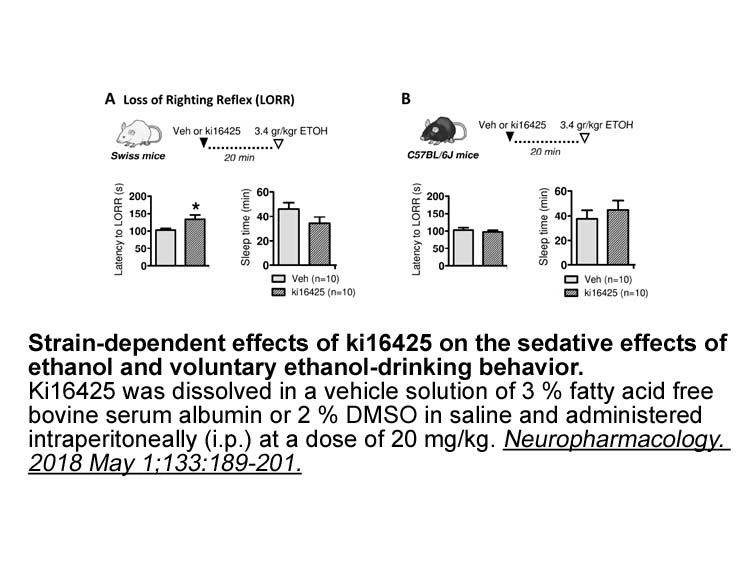
Mitochondria are also involved in other modalities of programmed cell death, particularly apoptosis. Intriguingly, the roles of mitochondria in apoptosis and ferroptosis are fundamentally different. In mitochondria-mediated apoptosis, the mitochondrion serves as a reservoir, storing apoptosis-regula
-
Evidence suggests that phosphorylation increases synaptotagm
2022-07-12
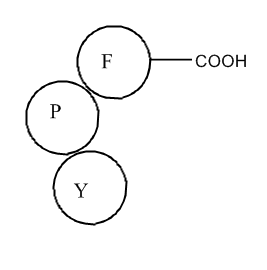
Evidence suggests that phosphorylation increases synaptotagmin affinity for the SNARE complex [15], [128]. It is, however, unclear how this might affect release. Synaptotagmin has been identified as part of the minimal vesicle docking machinery in chromaffin Icotinib synthesis [129]. Thus, phosphory
-
To date three other allosteric binding sites of HIV
2022-07-12
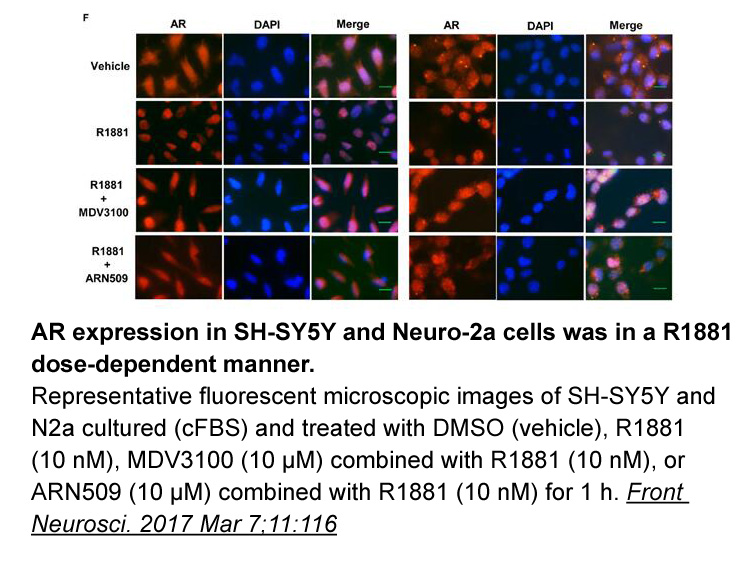
To date, three other allosteric binding sites of HIV-1 IN have also been reported. In the work of Wielens and co-workers [33], a pocket formed by the residues Tyr83, Trp108, Asn184, Ile200 and Val201 was found, which can be bound by small molecules. In the work by Rhodes et al. [34], a small-molecul
-
In the present study we investigated the mechanisms underlyi
2022-07-12
In the present study, we investigated the mechanisms underlying the ability of 5-FU to modify histone acetylation. Our results suggested that 5-FU induces global histone de-acetylation in CRC by promoting the degradation of p300 and CBP, two important homologous HATs catalyzing acetylation at multip
-
In Arabidopsis GCN containing protein complexes are found to
2022-07-12

In Arabidopsis, GCN5-containing protein complexes are found to be involved in cell differentiation, leaf and floral organogenesis [[8], [9], [10]]. AtHAC1 has involvement with root elongation, flowering, fertility and de novo shoot regeneration [11,12]. AtHAM1 and AtHAM2 control flowering time by ep
-
Nowadays it is accepted that ligands which
2022-07-12
Nowadays, it is accepted that ligands which have been classically described as inverse agonists, due to their negative efficacy at modulating the G protein pathway, could also display some positive efficacy regarding receptor desensitization, internalization, or even signaling though another pathway
16705 records 451/1114 page Previous Next First page 上5页 451452453454455 下5页 Last page