Archives
- 2026-11
- 2026-10
- 2026-09
- 2026-08
- 2026-07
- 2026-06
- 2026-05
- 2026-04
- 2026-03
- 2026-02
- 2026-01
- 2025-12
- 2025-11
- 2025-10
- 2025-09
- 2025-04
- 2025-03
- 2025-02
- 2025-01
- 2024-12
- 2024-11
- 2024-10
- 2024-09
- 2024-08
- 2024-07
- 2024-06
- 2024-05
- 2024-04
- 2024-03
- 2024-02
- 2024-01
- 2023-12
- 2023-11
- 2023-10
- 2023-09
- 2023-08
- 2023-07
- 2023-06
- 2023-05
- 2023-04
- 2023-03
- 2023-02
- 2023-01
- 2022-12
- 2022-11
- 2022-10
- 2022-09
- 2022-08
- 2022-07
- 2022-06
- 2022-05
- 2022-04
- 2022-03
- 2022-02
- 2022-01
In vitro studies with soman inhibited non
2023-03-03
In vitro studies with soman-inhibited, non-aged AChE revealed a species dependent reactivating potency of HI-6 and MMB-4. With guinea pig AChE second order reactivation rate constants of 0.051 and 0.038mM−1min−1 were determined for HI-6 and MMB-4, respectively (Luo et al., 2007). Corresponding value
br Conclusion br Conflicts of interest br Introduction
2023-03-03
Conclusion Conflicts of interest Introduction RNA interference is a specific post-transcriptional gene silencing mechanism within a cell via the transfection of microRNAs (miRNA), exogenous small interfering RNAs (siRNA) or small hairpin RNAs (shRNA) [1–3]. Transfection of shRNA can be done
Introduction Lipoxygenases LOXs are key enzymes that catalyz
2023-03-02
Introduction Lipoxygenases (LOXs) are key enzymes that catalyze the polyunsaturated fatty acids (PUFAs) such as arachidic Baricitinib phosphate receptor (AA), linoleic acid (LA) and others unsaturated fatty acids (Brash, 1999). LOXs are expressed in immune, neural, epithelial, tumor cells and othe
We recently identified a G A dependent epigenetic mechanism
2023-03-02
We recently identified a G9A-dependent epigenetic mechanism for transcriptional activation of the serine pathway in cancer cells (Ding et al., 2013). G9A, also known as EHMT2 and KMT1C, is a H3K9 methyltransferase that has a primary role in catalyzing H3K9me1 and H3K9me2 in euchromatin (Shinkai and
Glycerol dehydratase GDHt EC is a key enzyme
2023-03-02
Glycerol dehydratase (GDHt, EC 4.2.1.30) is a key enzyme for the bioconversion of glycerol into the value-added chemicals and thereby has recently attracted a great deal of attention as an essential component for metabolic engineering . GDHt carries out a radical-mediated turnover of glycerol into 3
Introduction Diabetic nephropathy is a rapidly growing
2023-03-02
Introduction Diabetic nephropathy is a rapidly growing cause of end-stage renal disease [1]. Glomerular, tubular and vascular toxicity resulting from hyperglycemia (glucotoxicity) have been evaluated extensively at the molecular level as contributing factors for diabetic nephropathy [[1], [2], [3]]
The central problem in amnesia developing
2023-03-02
The central problem in amnesia developing following impairment of long-term memory consolidation or reconsolidation is a question of the underlying mechanisms, whether it is caused by impairment of retrieval or memory storage mechanisms [3,8,9,[15], [16], [17], [18]]. To answer this question, severa
br Adenosine and tumor microenvironment In the majority of
2023-03-02
Adenosine and tumor microenvironment In the majority of carcinogenic processes a proinflammatory state is generated [36], [37]. In addition, a tumor hypoxic environment is generally due to inadequate perfusion of oxygen to the tumor [38]. Immunomodulators are molecules that regulate the immune r
br Methods br Results br Discussion
2023-03-02
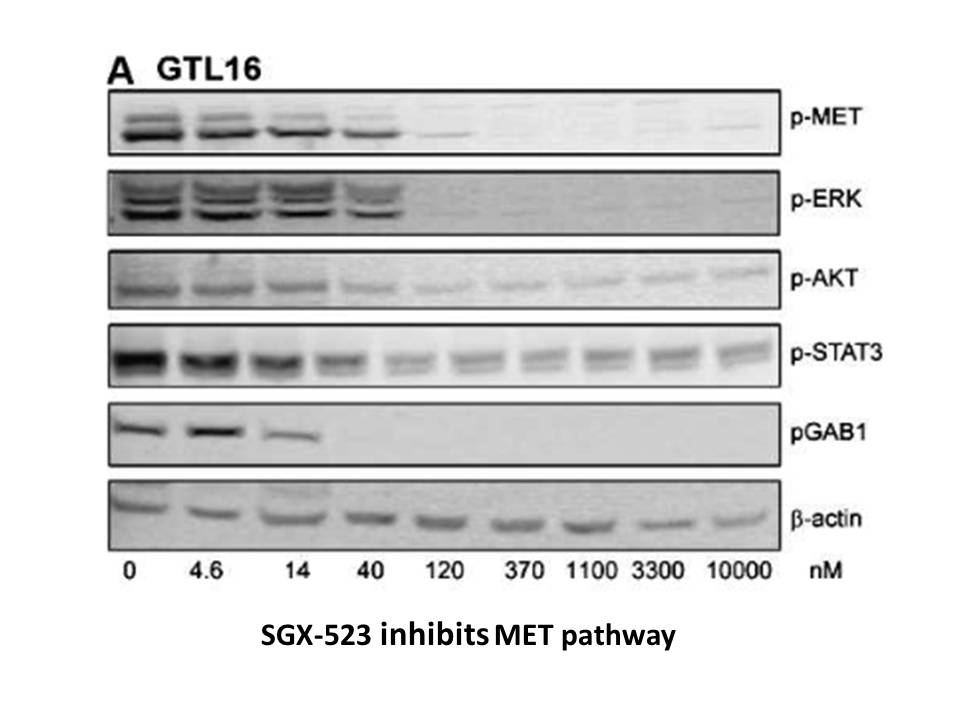
Methods Results Discussion First, the Sitafloxacin Hydrate isolated from non-PD TA tissue and PD plaque tissue were characterized. The results showed that both cell groups were positive for vimentin and negative for desmin suggesting that these cells were fibroblasts. It was also observed
The purpose of the present
2023-03-02
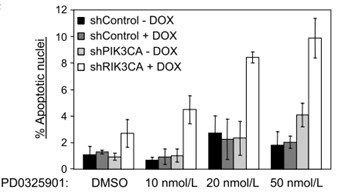
The purpose of the present study is (1) to characterize AChE from the monogonont B. koreanus and to analyze the modulation of the AChE activity and its transcription level after exposure to six pharmaceuticals, (2) to evaluate the usefulness of AChE as a molecular biomarker upon pharmaceutical expos
Until now five muscarinic receptor M genes have been cloned
2023-03-02
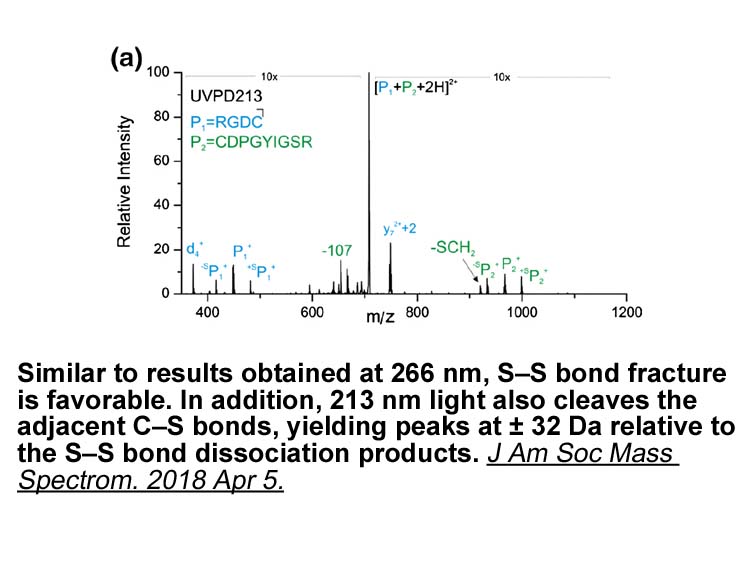
Until now, five muscarinic receptor (M1-5) genes have been cloned, but, M1-3 receptors are functionally recognized in the lungs. Smooth muscle contraction is mainly mediated by M3. M2 may also participate in the contraction via Gi protein which leads to a decrease in cAMP. On the other hand, M2 is l
Our analysis has devoted limited attention
2023-03-02
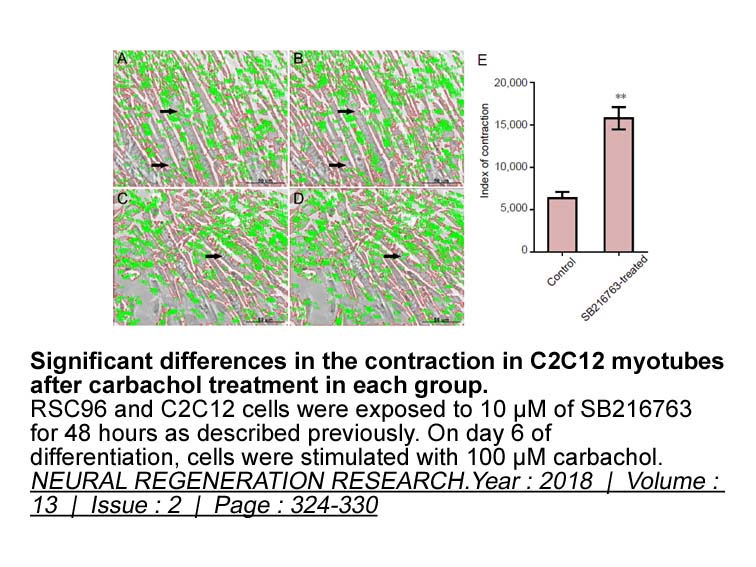
Our analysis has devoted limited attention to the standard corporate tax scheme with deductibility for interest payments that is in place in most countries. A conventional corporate tax scheme offers partial deduction of capital costs, and can be interpreted as a change in the degree of capital cost
The AAP s policy statement on childhood adversities is a
2023-03-02
The AAP’s policy statement on childhood adversities is a call to the pediatric ambroxol hydrochloride to apply the knowledge toward developmental screening in clinical practice. It is a movement to increase education around childhood adversity as a public health crisis and to build trauma-informed c
Molecular docking simulations were carried out
2023-03-02
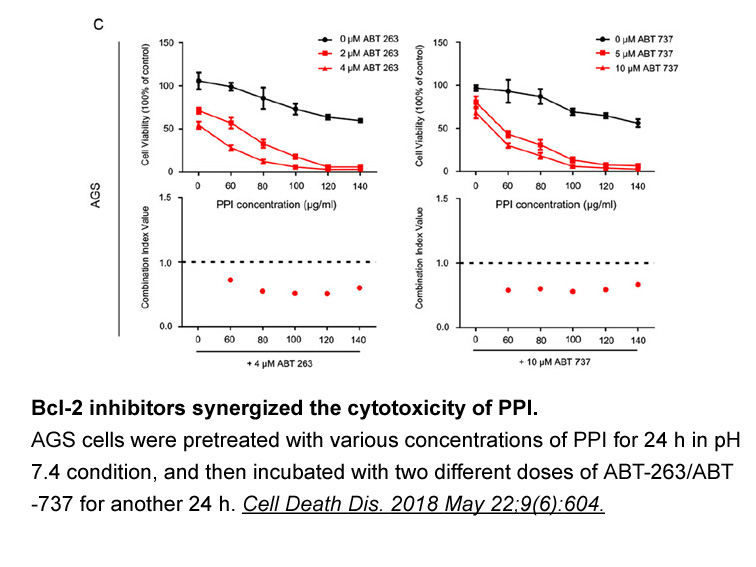
Molecular docking simulations were carried out for ligands – in the ACE crystal structure (1O86) and DPP4 crystal structure (2G5P). Comparison of the binding mode of – () with enalaprilat (a) in ACE shows that the phenethyl group (–, enalaprilat) occupies the S1 pocket and the adjacent carboxylic Ou
Conclusion Twenty compounds with dinitrobenzoate scaffold we
2023-03-02
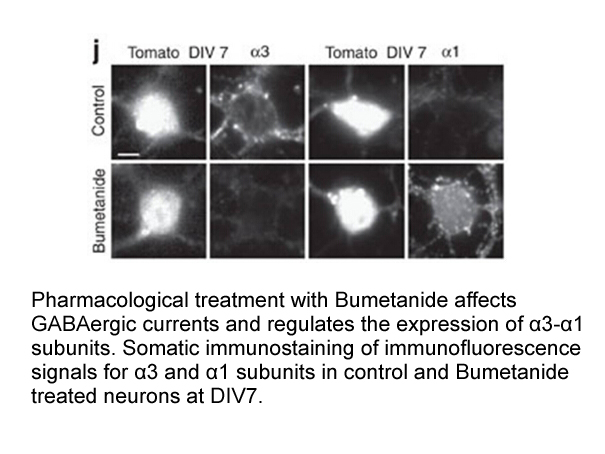
Conclusion Twenty compounds with 3,5-dinitrobenzoate scaffold were synthesized and evaluated using cell-free and HWB assays for their 5-LOX inhibition activities. Compared to the parent compound, six compounds show significantly increased enzyme inhibition activities. The best compound, 3-tolyl 3,5
8536 records 389/570 page Previous Next First page 上5页 386387388389390 下5页 Last page