Archives
- 2026-09
- 2026-08
- 2026-07
- 2026-06
- 2026-05
- 2026-04
- 2026-03
- 2026-02
- 2026-01
- 2025-12
- 2025-11
- 2025-10
- 2025-09
- 2025-04
- 2025-03
- 2025-02
- 2025-01
- 2024-12
- 2024-11
- 2024-10
- 2024-09
- 2024-08
- 2024-07
- 2024-06
- 2024-05
- 2024-04
- 2024-03
- 2024-02
- 2024-01
- 2023-12
- 2023-11
- 2023-10
- 2023-09
- 2023-08
- 2023-07
- 2023-06
- 2023-05
- 2023-04
- 2023-03
- 2023-02
- 2023-01
- 2022-12
- 2022-11
- 2022-10
- 2022-09
- 2022-08
- 2022-07
- 2022-06
- 2022-05
- 2022-04
- 2022-03
- 2022-02
- 2022-01
-
br Mechanisms of specific immunotherapy Several
2024-10-15
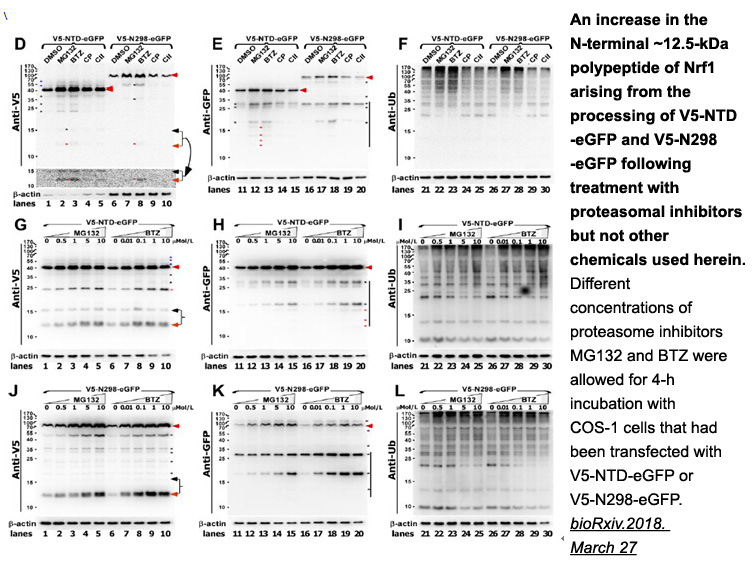
Mechanisms of specific immunotherapy Several mechanisms may be involved in specific immunotherapy of EAMG by active immunization with the therapeutic vaccine in IFA. During the therapy, the therapeutic benefits result from diversion of autoantibody specificities away from pathogenic extracellular
-
Based on the observation that antipsychotic
2024-10-15
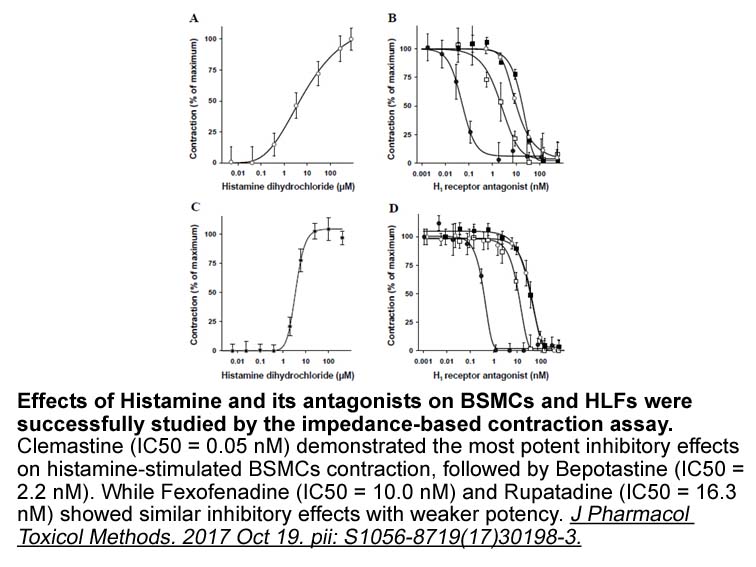
Based on the observation that antipsychotic drugs increase 5-HT1A–D2 heteromerization level (Łukasiewicz et al., 2016), we set out to compare the effect of paroxetine to that of risperidone. Paroxetine, a potent SSRI, is very effective in the treatment of depression and anxiety disorders, e.g., gene
-
The reductase family is composed of three known isozymes
2024-10-15
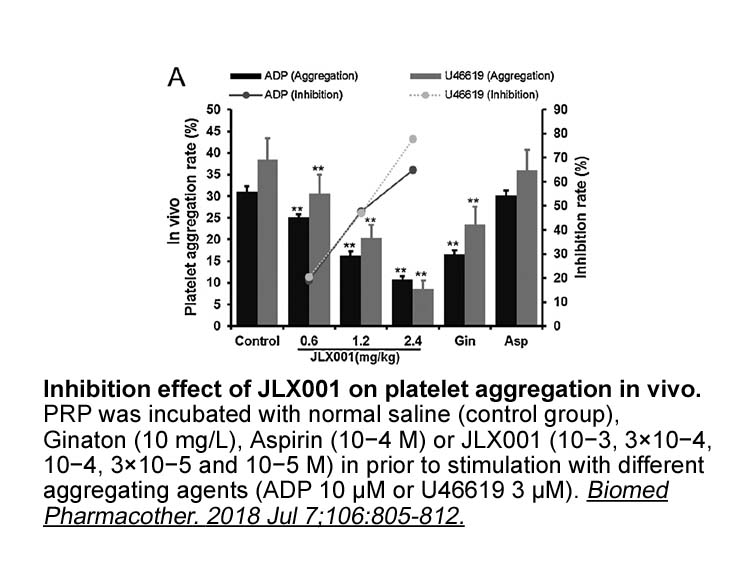
The 5α-reductase family is composed of three known isozymes, with the types I and II being the most known. Type I isozyme, which is the dominant form, can be found in the skin, liver, kidney, brain and lung. Furthermore, it has been evidenced that type I activity is several times higher in PC than i
-
As summarized in Fig autophagy
2024-10-14
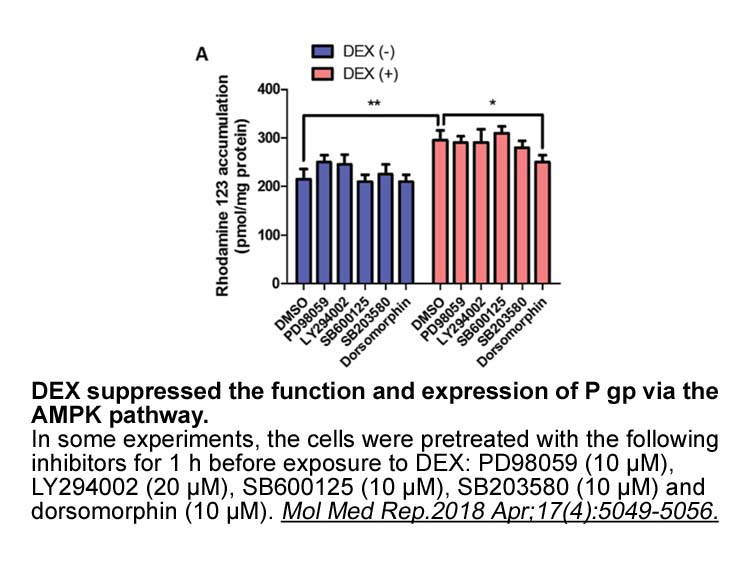
As summarized in Fig. 1, autophagy up-regulation in terms of Beclin 1 induction, increase of LC3 II and p62 down-regulation were observed between 24 and 72 h of cell incubation, this coinciding with the end of the period 27-OH caused slight reduction of cell viability and proliferation as previously
-
Our results suggest that plasma membrane and a
2024-10-14
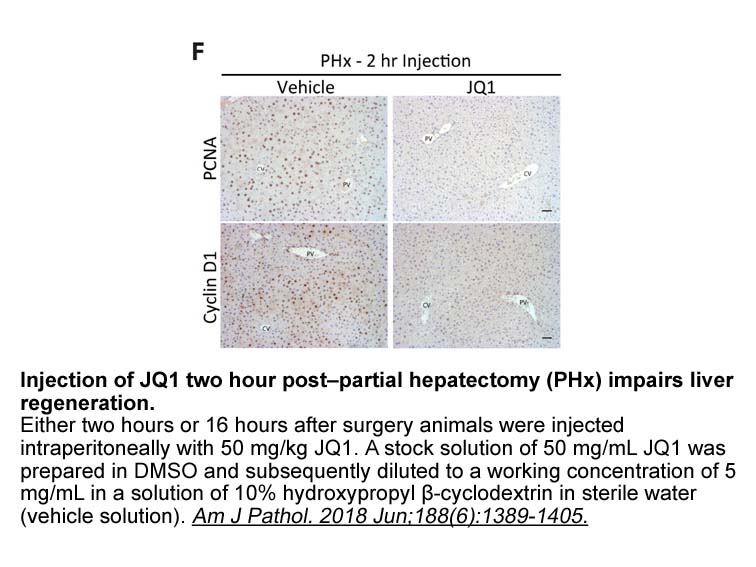
Our results suggest that plasma membrane and a3-containing V-ATPases represent an important and novel target in the development of drugs to limit breast cancer metastasis. That knock-down of a3 has been shown to reduce metastasis of melanoma cells in an in vivo mouse model suggests that this role ma
-
Most of the latest http www apexbt com
2024-10-14
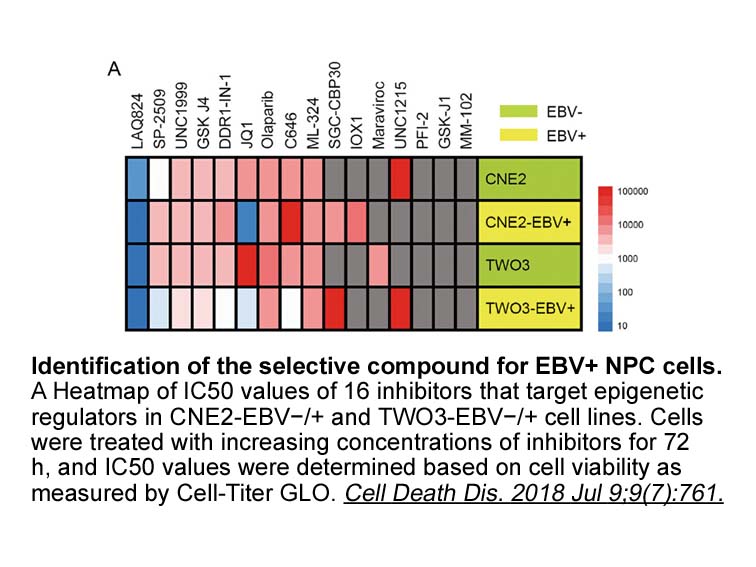
Most of the latest works reported that in human hair follicle AR expression is restricted to DPC and is not found in the outer root sheath (ORS), hair bulb or bulge (Itami et al., 1995a, Jave-Suarez et al., 2004, Kariya et al., 2005, Pelletier et al., 2004, Thornton et al., 2003). DPC derived from b
-
Thus far a tight coupling
2024-10-14
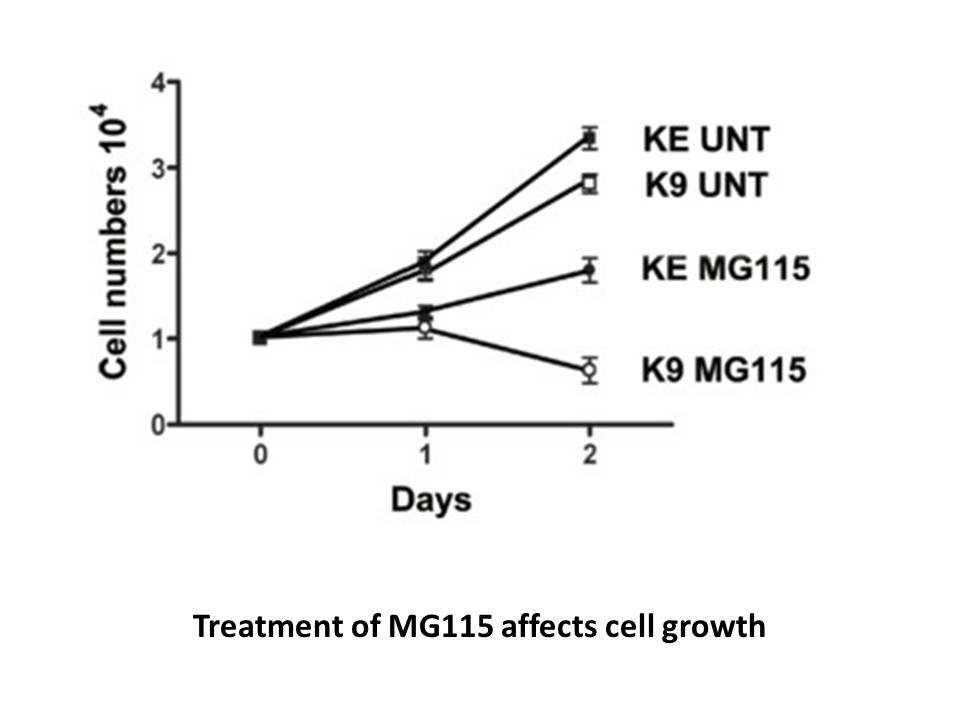
Thus far, a tight coupling has been observed between mAbs that target aggregated Aβ and the occurrence of ARIA. If ARIA-E is caused by increased trafficking to and clearance of fibrillar Aβ from cerebral vessels (20), mAbs could be designed with conformationally specific epitopes selective for solub
-
Not all secondary metabolites or natural products
2024-10-14
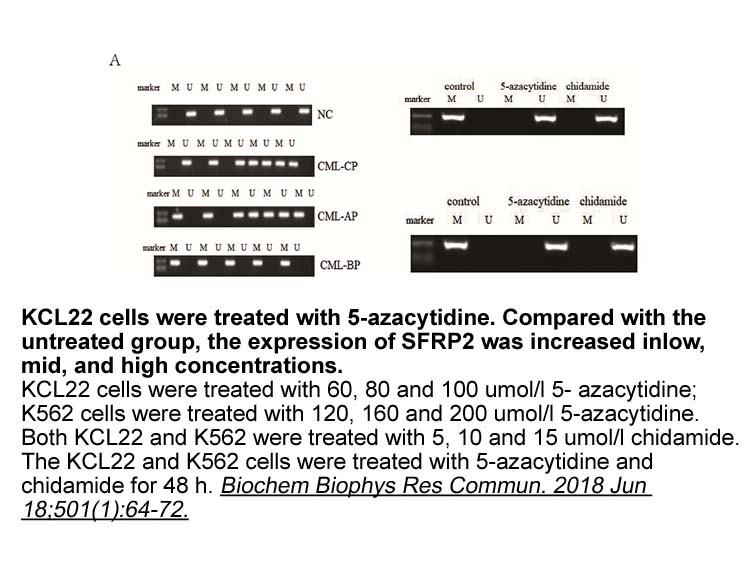
Not all secondary metabolites or natural products can be fully synthesized due to their very complex structures that are too difficult and expensive on industrial scale. Hence, there is an urgent need to search for alternative remedies as naturally occurring biologically active secondary metabolites
-
There is a growing body of
2024-10-14
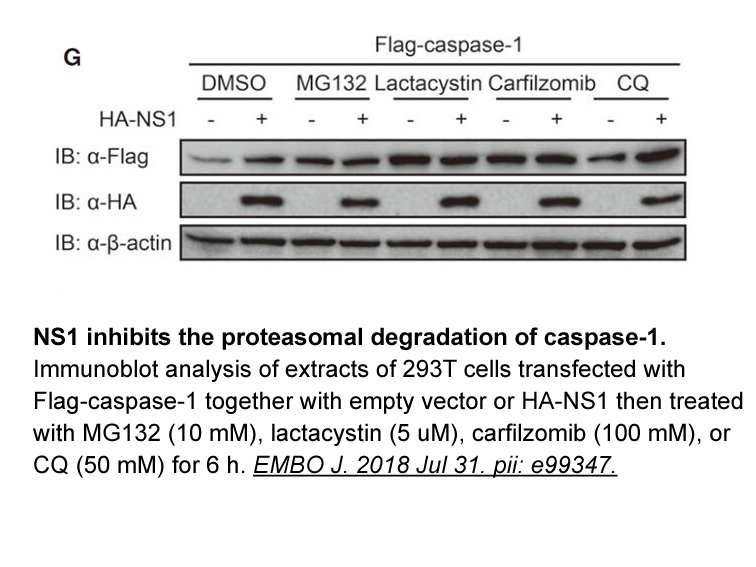
There is a growing body of evidence showing that pentobarbital causes memory disorders [3], [4], [5]. Our results that a single injection of pentobarbital into bilateral hippocampus significantly impaired hippocampus-dependent spatial memory retrieval (Fig. 1) add support to that evidence. Previous
-
The AhR molecule is composed of multiple
2024-10-14
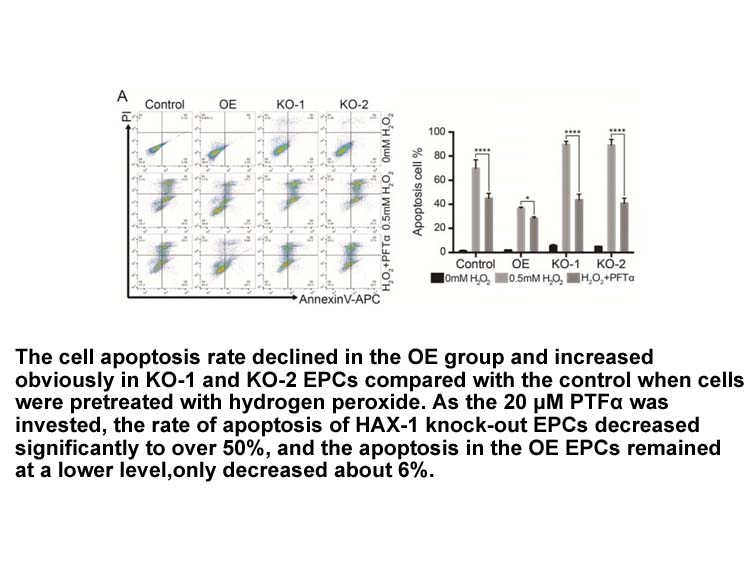
The AhR molecule is composed of multiple functional domains [38]. In the N-terminal end, the AhR contains bHLH domain which is involved in DNA binding, dimerization with ARNT and association with chaperone proteins. The PAS domain, which is situated next to the bHLH domain consists of two structural
-
As summarized in Fig autophagy up regulation
2024-10-12
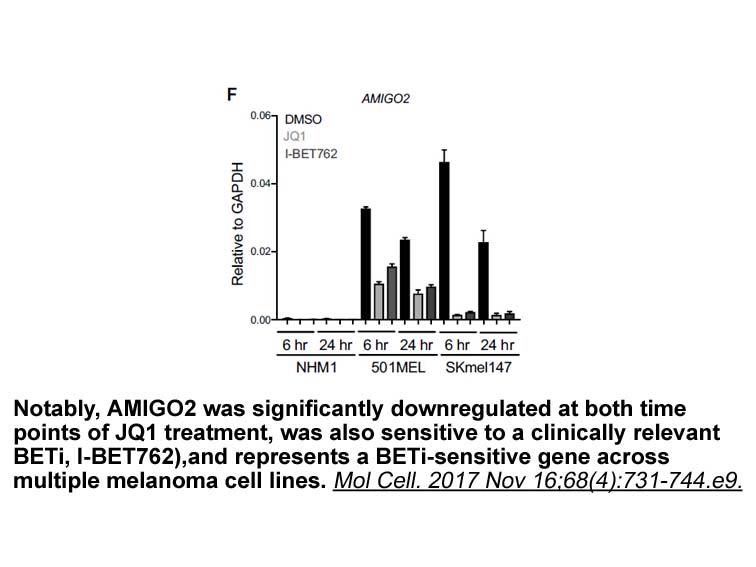
As summarized in Fig. 1, autophagy up-regulation in terms of Beclin 1 induction, increase of LC3 II and p62 down-regulation were observed between 24 and 72 h of cell incubation, this coinciding with the end of the period 27-OH caused slight reduction of cell viability and proliferation as previously
-
It was previously demonstrated that dissociation of the V
2024-10-12
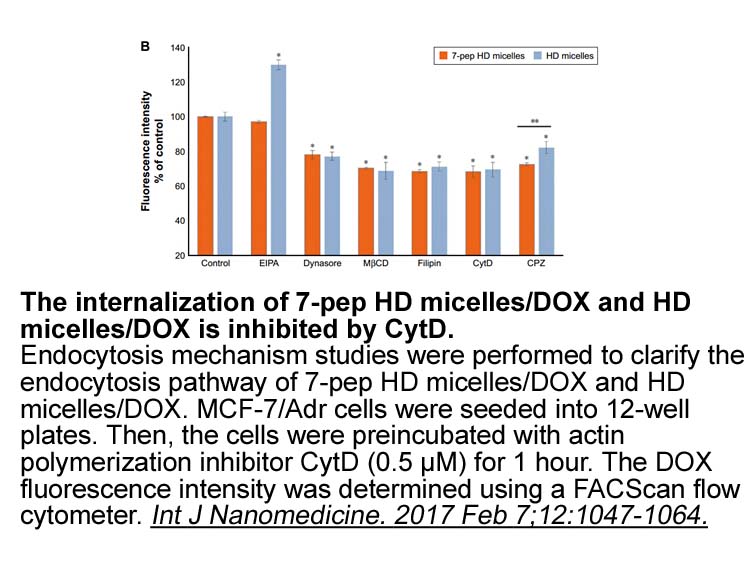
It was previously demonstrated that dissociation of the V-ATPase in response to glucose depletion in yeast requires an intact microtubular network [28] and a catalytically active enzyme [29]. Interestingly, mutations in the non-homologous region of the catalytic subunit A are able to block dissociat
-
br Breast cancer The interactions between
2024-10-12

Breast cancer The interactions between 15-LOX and COX enzymes also affect the outcome of breast cancer. Indomethacin, a COX-1 and COX-2 inhibitor, decreased the growth of human breast cancer (BC) cells in nude mice, as well as slowed the rate of lung metastasis formation [41]. The levels of 12-HE
-
Several studies have demonstrated that depletion
2024-10-12
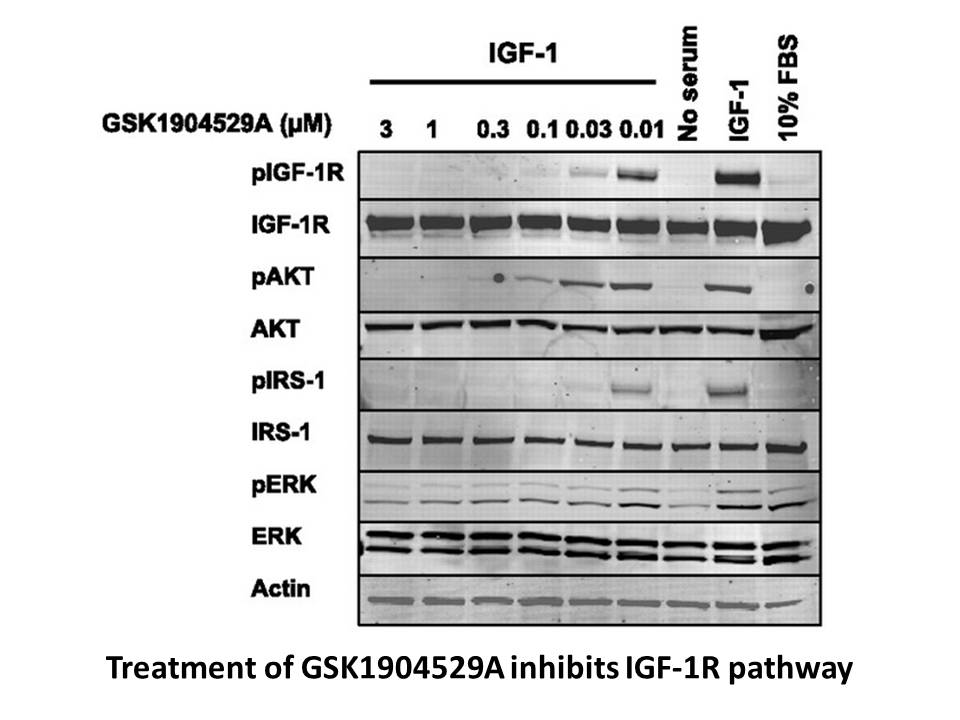
Several studies have demonstrated that depletion of functional ATR increases the sensitivity of cancer cells to oncogene-induced replication stress thereby hindering tumour growth and inducing extensive cell death (Gilad et al., 2010, Murga et al., 2011, Schoppy et al., 2012). Importantly, Schoppy e
-
Troubleshooting Turbo DNase digestion br Acknowledgements Th
2024-10-12

Acknowledgements This work is sponsored by the National Natural Science Foundation of China (grant no. 31201963) and Youth Backbone Teachers Project in Henan Province Department of Education, China (grant no. 2016GGJS-061). Introduction Acute lymphoblastic leukemia (ALL) is a malignant disord
8449 records 110/564 page Previous Next First page 上5页 106107108109110 下5页 Last page