Archives
- 2026-06
- 2026-05
- 2026-04
- 2026-03
- 2026-02
- 2026-01
- 2025-12
- 2025-11
- 2025-10
- 2025-09
- 2025-04
- 2025-03
- 2025-02
- 2025-01
- 2024-12
- 2024-11
- 2024-10
- 2024-09
- 2024-08
- 2024-07
- 2024-06
- 2024-05
- 2024-04
- 2024-03
- 2024-02
- 2024-01
- 2023-12
- 2023-11
- 2023-10
- 2023-09
- 2023-08
- 2023-07
- 2023-06
- 2023-05
- 2023-04
- 2023-03
- 2023-02
- 2023-01
- 2022-12
- 2022-11
- 2022-10
- 2022-09
- 2022-08
- 2022-07
- 2022-06
- 2022-05
- 2022-04
- 2022-03
- 2022-02
- 2022-01
- 2021-12
- 2021-11
- 2021-10
- 2021-09
- 2021-08
- 2021-07
- 2021-06
- 2021-05
- 2021-04
- 2021-03
- 2021-02
- 2021-01
- 2020-12
- 2020-11
- 2020-10
- 2020-09
- 2020-08
- 2020-07
- 2020-06
- 2020-05
- 2020-04
- 2020-03
- 2020-02
- 2020-01
- 2019-12
- 2019-11
- 2019-10
- 2019-09
- 2019-08
- 2019-07
- 2019-06
- 2019-05
- 2019-04
- 2018-11
- 2018-10
- 2018-07
-
We had earlier reported that collagen fibers with intact nat
2021-04-23
We had earlier reported that collagen fibers with intact native banded structure were occasionally observed in the kinase-deficient, membrane-anchored DDR2 ECD (DDR2/-KD) samples; however, in our DDR1/ECD and DDR2/ECD samples, observation of native banded structure of collagen was far more infrequen
-
Introduction Innate lymphoid cells ILCs are recently describ
2021-04-23
Introduction Innate lymphoid Helioxanthin derivative 5-4-2 (ILCs) are recently described immune cells of lymphoid origin and include cytotoxic natural killer (NK) cells and interleukin-7 receptor alpha (also known as CD127)+ subsets, which, similar to T helper (Th) lymphocytes, can be distinguishe
-
The nuclear receptor related protein
2021-04-22

The nuclear receptor related-1 protein, Nurr1 (NR4A2), is a transcription factor that regulates the polymyxin sulfate of genes critical for the development, maintenance, and survival of dopaminergic neurons (Alavian et al., 2014, Decressac et al., 2013, Dong et al., 2016, Jankovic et al., 2005, Joh
-
concentration formula Because stimulation and blockade of do
2021-04-22
Because stimulation and blockade of dopamine D2 receptor all cause a similar disruption of maternal behavior, one critical question is whether they do so through the same or different behavioral mechanisms. One idea is that stimulation or blockade of D2 receptors similarly suppresses maternal motiva
-
The acids applied in this study are
2021-04-22
The acids applied in this study are commonly used in dental practice. Phosphoric Oxipurinol is an oxyacid used regularly for adhesion of resin composites. Enamel phosphoric acid etching can dissolve and demineralize the inorganic [Ca10(PO4)6(OH)2] matrix, creating micro pores and microgrooves to im
-
The absence of the LIG gene in yeasts has
2021-04-22
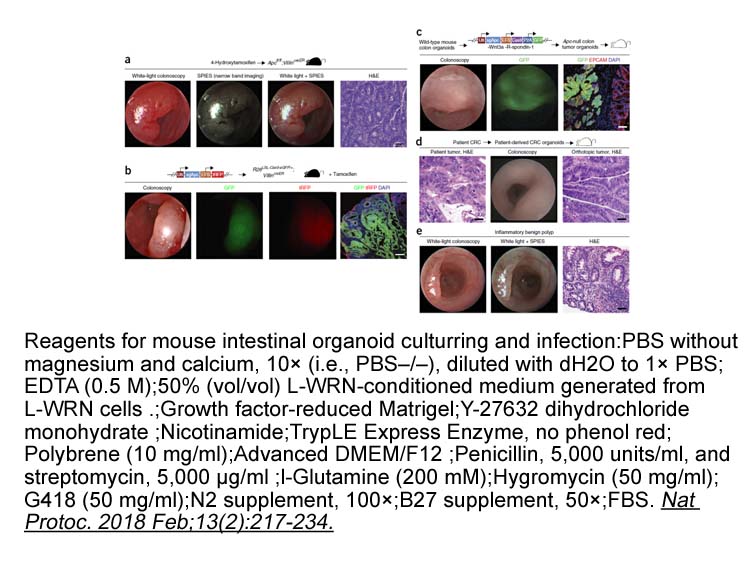
The absence of the LIG3 gene in yeasts has prevented the use of genetically tractable lower eukaryotes, such as Saccharomyces cerevisiae and Schizosaccharomyces pombe, as models to gain insights into the cellular functions of and interplay between the DNA ligases encoded by the LIG1, LIG3 and LIG4 g
-
DGK deficiency caused a significant increase in the SERT pro
2021-04-22
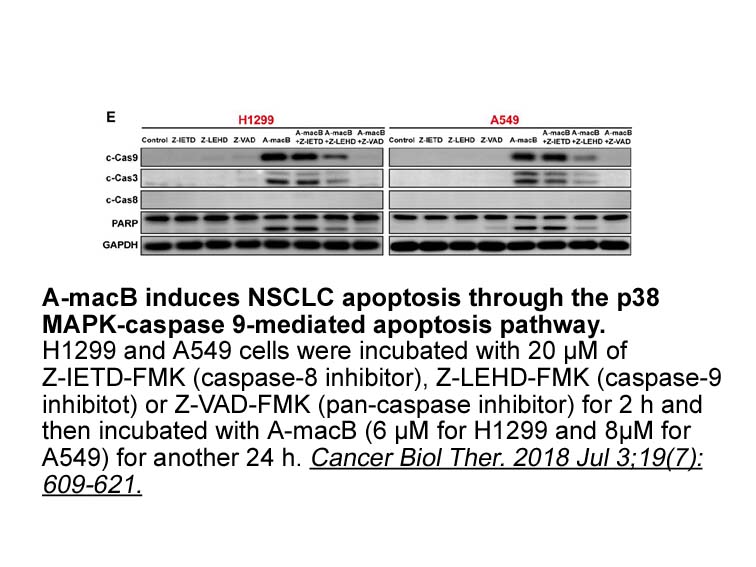
DGKδ deficiency caused a significant increase in the SERT protein level, but its mRNA level was not affected (Fig. 1). These results suggest that SERT protein stability is directly reduced by interaction with the DGKδ protein. In contrast, DGKδ deficiency regulated both TPH-2 and MAO-A protein and m
-
xylometazoline In vivo study showed that the CYP
2021-04-22
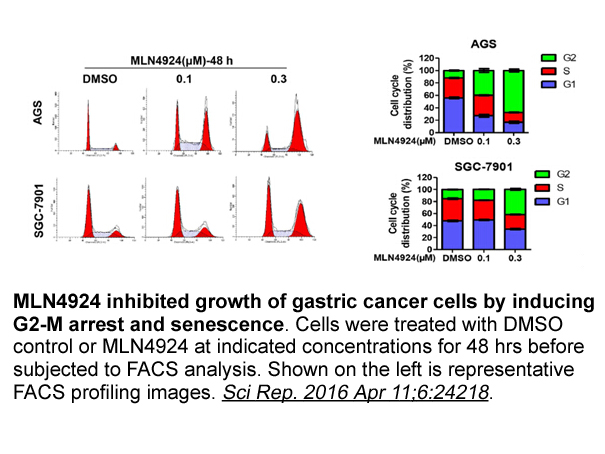
In vivo study showed that the CYP3A activity was increased, when morroniside (10, 30 and 90 mg/kg, i.g.) was daily for seven consecutive days. Further, RT-PCR analysis showed that the induction of mRNA xylometazoline by morroniside (10, 30 and 90 mg/kg, i.g.) was 1.13-, 1.43- and 1.79-fold higher, r
-
In rats exposed to day of nicotine
2021-04-22
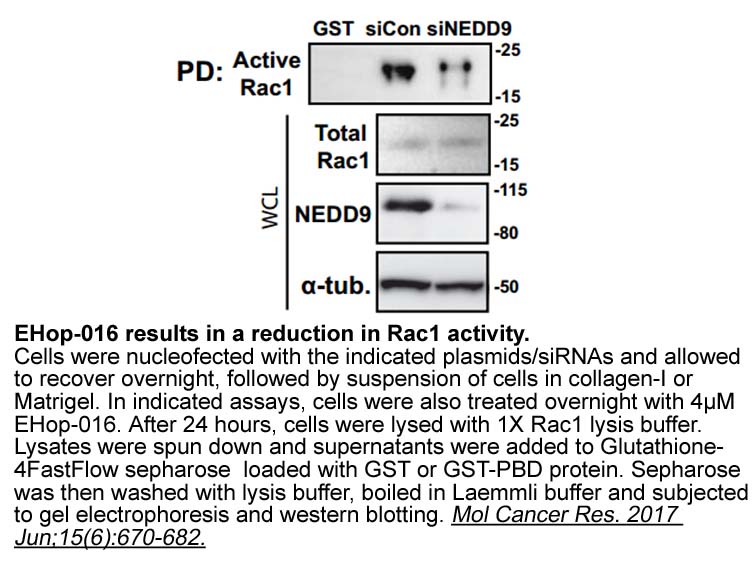
In rats exposed to 1 day of nicotine withdrawal (24 h after the last nicotine administration) we expected a decrease of general locomotor activity and a decrease of global striatal dopamine release, which were assessed in a previous study following 14 days of nicotine exposure and 24 h of nicotine w
-
Nevertheless two problems exist in BGCFC in practice
2021-04-22
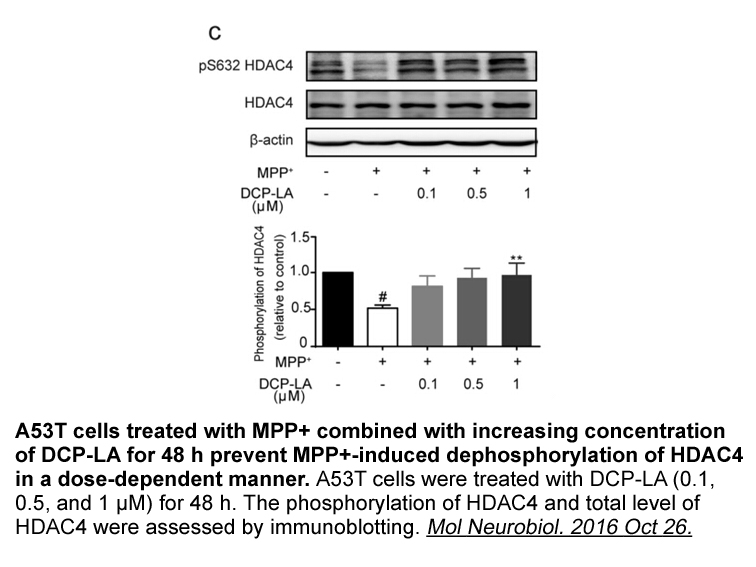
Nevertheless, two problems exist in BGCFC in practice. The first one is that time complexity of the ID assignment algorithm presented in Section 3.1 is O(N!), which means a factorial time complexity. Because it obtains the consecutive IDs by enumerating all permutations of ID 0 to N−1, the total num
-
br Material and methods br Results br
2021-04-21
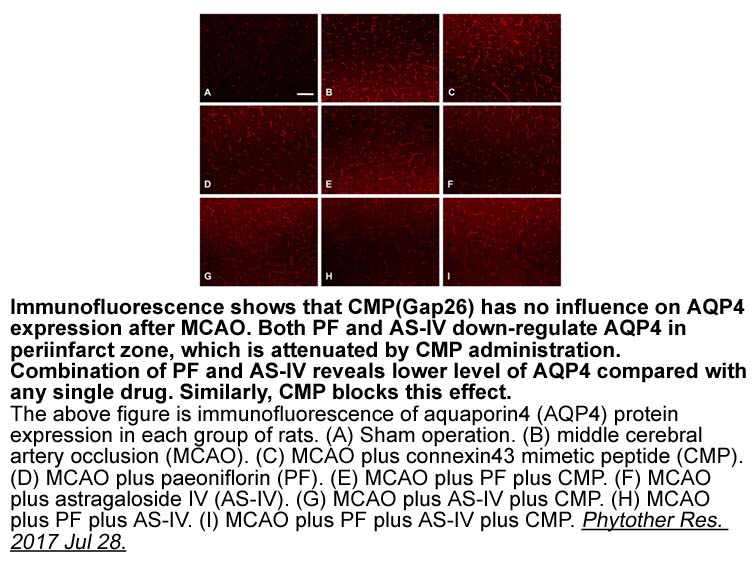
Material and methods Results Discussion The results show for the first time that DDRs may be involved in the pathogenic mechanisms of neurodegenerative diseases. We found that DDR1 and DDR2 levels are up-regulated in post-mortem AD and PD brains, suggesting that these receptors play a role
-
This pre GC B cell differentiation
2021-04-21
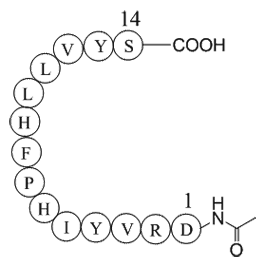
This pre-GC B cell differentiation deficiency caused by RD2 loss of function was explained at least in part by the finding that the BCL6 RD2 domain is required to repress expression of the key migration factors GRP183 and S1PR1. Downregulation of GRP183 is critically important for B cell migration i
-
memantine hydrochloride Interestingly our analyses of human
2021-04-21
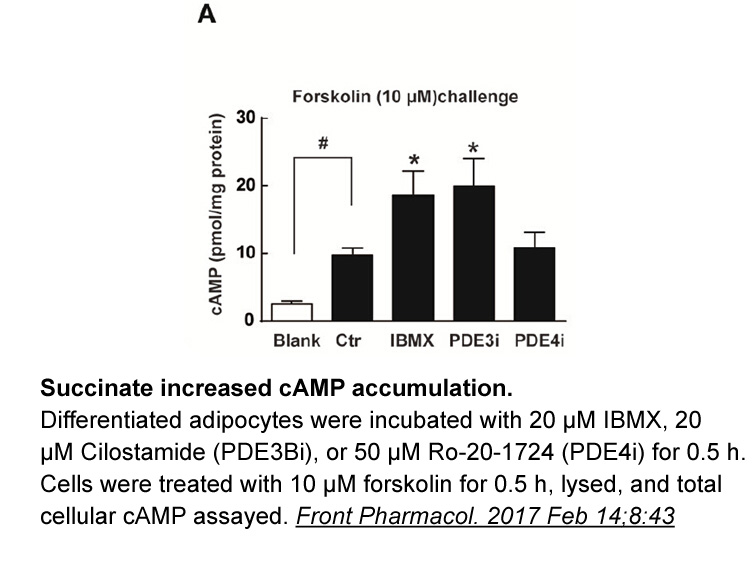
Interestingly, our analyses of human PBMCs using a monoclonal antibody against EBI2 showed that the expression pattern of human EBI2 is largely overlapping with that in mice. Especially Th17 memantine hydrochloride showed homogeneous high expression of EBI2 compared with Th1 cells, which contained a
-
Cathepsin S inhibitor receptor br EBV BILF A Virus
2021-04-21
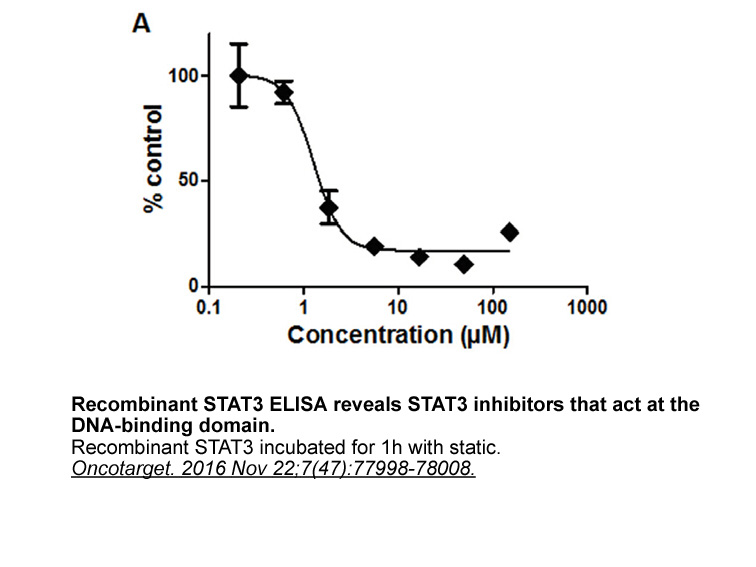
EBV-BILF1—A Virus-Encoded 7TM Receptor with Immune Evasive Functions The EBV-encoded BILF1 receptor (EBV-BILF1) is thought to be implicated in the immune evasion strategy of EBV.56, 61, 62 This orphan 7TM receptor is expressed at significant levels during the early lytic phase of the virus infect
-
FOX proteins constitute a large
2021-04-21
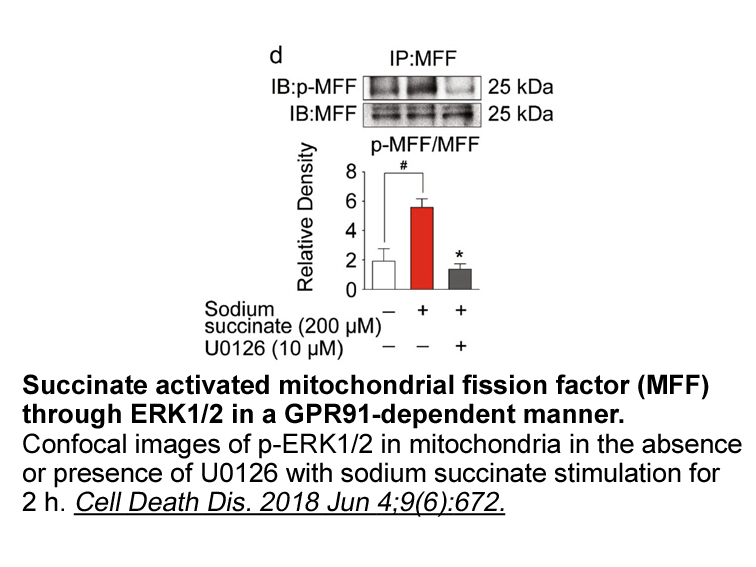
FOX proteins constitute a large class of transcription factors with multiple functions, from development and organogenesis to regulation of metabolic and immune functions. The Fox transcription factor is characterized by a 100-amino-acid wing helix or forkhead DNA-binding domain. In addition, the FO
16605 records 699/1107 page Previous Next First page 上5页 696697698699700 下5页 Last page