Archives
- 2026-06
- 2026-05
- 2026-04
- 2026-03
- 2026-02
- 2026-01
- 2025-12
- 2025-11
- 2025-10
- 2025-09
- 2025-04
- 2025-03
- 2025-02
- 2025-01
- 2024-12
- 2024-11
- 2024-10
- 2024-09
- 2024-08
- 2024-07
- 2024-06
- 2024-05
- 2024-04
- 2024-03
- 2024-02
- 2024-01
- 2023-12
- 2023-11
- 2023-10
- 2023-09
- 2023-08
- 2023-07
- 2023-06
- 2023-05
- 2023-04
- 2023-03
- 2023-02
- 2023-01
- 2022-12
- 2022-11
- 2022-10
- 2022-09
- 2022-08
- 2022-07
- 2022-06
- 2022-05
- 2022-04
- 2022-03
- 2022-02
- 2022-01
- 2021-12
- 2021-11
- 2021-10
- 2021-09
- 2021-08
- 2021-07
- 2021-06
- 2021-05
- 2021-04
- 2021-03
- 2021-02
- 2021-01
- 2020-12
- 2020-11
- 2020-10
- 2020-09
- 2020-08
- 2020-07
- 2020-06
- 2020-05
- 2020-04
- 2020-03
- 2020-02
- 2020-01
- 2019-12
- 2019-11
- 2019-10
- 2019-09
- 2019-08
- 2019-07
- 2019-06
- 2019-05
- 2019-04
- 2018-11
- 2018-10
- 2018-07
-
Fatty acids have been repeatedly shown to increase the respo
2022-08-18
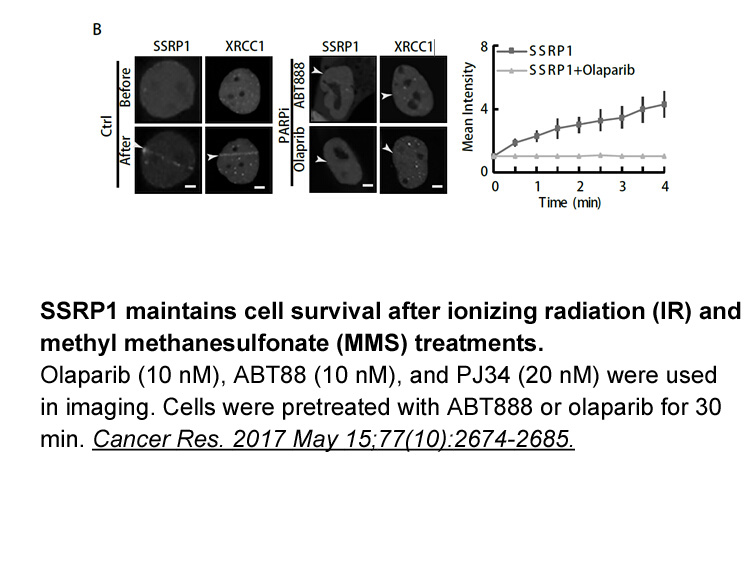
Fatty acids have been repeatedly shown to increase the responsiveness of pancreatic islets to glucose both in vitro and in vivo[6]. The recent identification of GPR40 as a receptor for free fatty acids that is localized to the pancreatic islet cells has therefore stimulated interest in obtaining sma
-
In a previous study M ykkynen et al we
2022-08-18
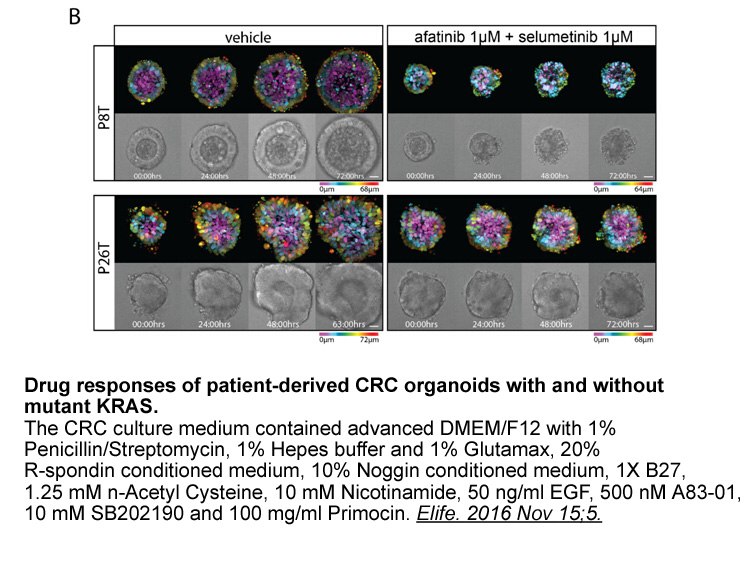
In a previous study (Möykkynen et al., 2003), we reported that ethanol lengthens the time needed for the AMPA receptors to recovery from desensitization in isolated hippocampal neurons. Here, we did not observe any effect of ethanol on recovery from desensitization in recombinant homomeric GluR-D re
-
Despite the potential promise of both of these
2022-08-18
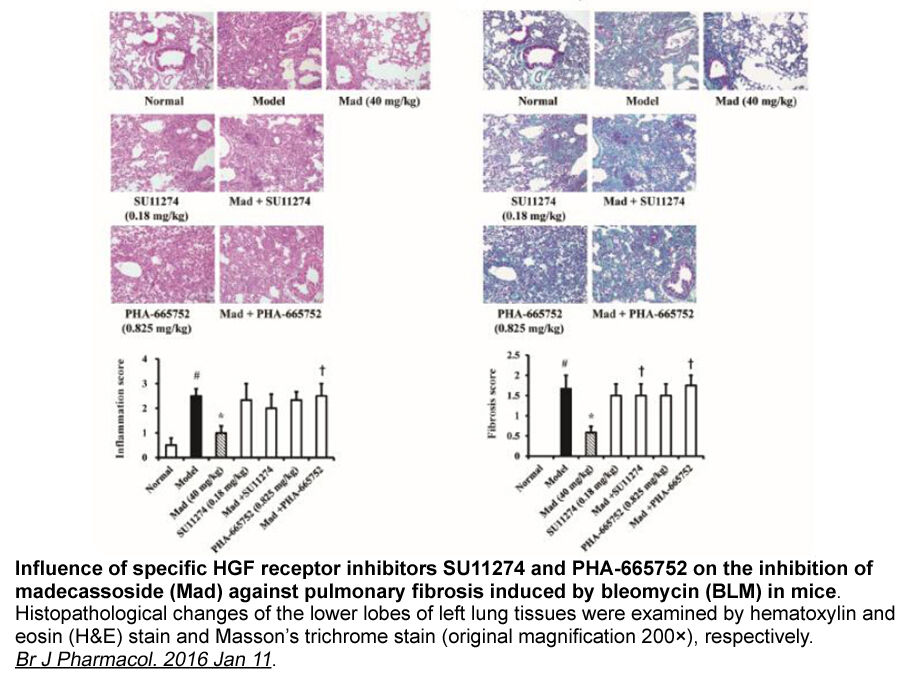
Despite the potential promise of both of these peptides, such compounds are still susceptible to efficient renal filtration (Emmanouel et al., 1978, Holst, 1991, Deacon et al., 1996). However, numerous studies have demonstrated that fatty Derquantel dervatisation of related regulatory peptides resu
-
A pooled overall survival analysis at
2022-08-18
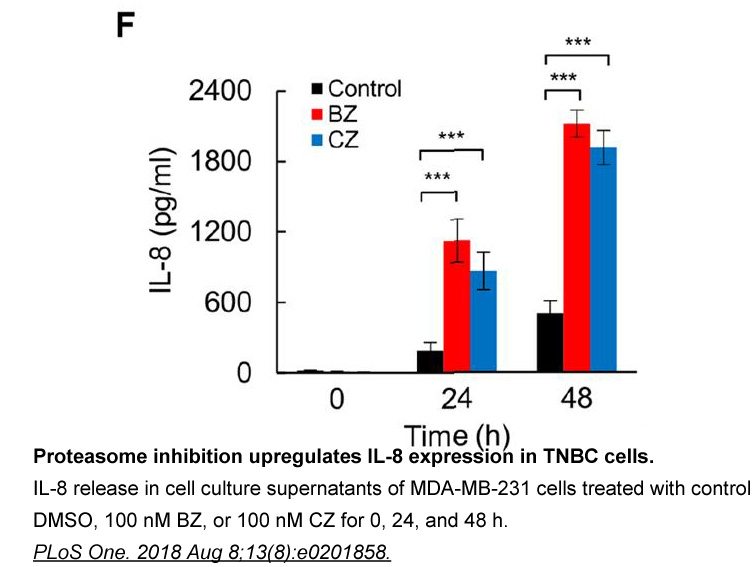
A pooled overall survival analysis at 1year showed no difference in survival between the two study arms, although these studies were not designed or powered to demonstrate a survival benefit. Among the 979 total patients in both ROMANA 1 and 2, about 55% continued on to the ROMANA 3 trial. That tria
-
In conclusion we show to
2022-08-18
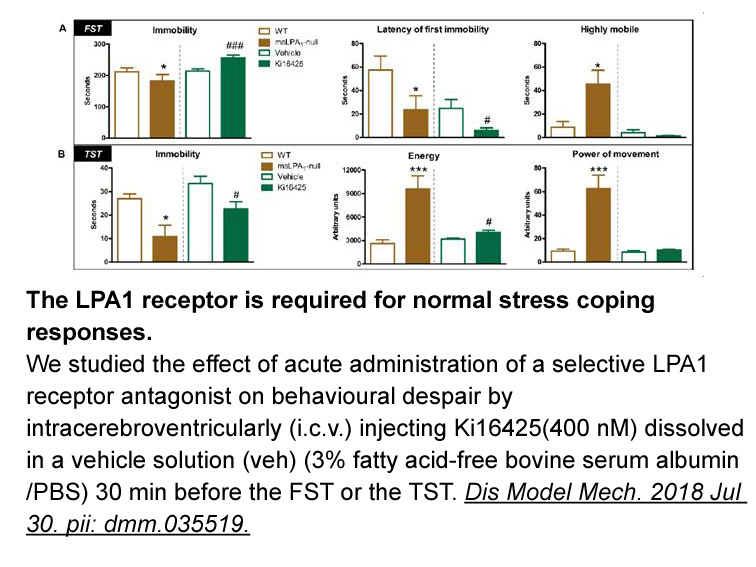
In conclusion, we show, to our knowledge for the first-time, compelling evidence for functional OTR and GHSR crosstalk, which is likely via the formation of a novel OTR/GHSR heterocomplex with important downstream signalling consequences. This OTR/GHSR interaction is poised to play an important phys
-
In the intestine ethanol exposure
2022-08-18
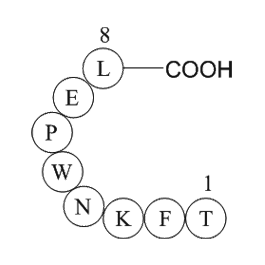
In the intestine, ethanol exposure can change the composition of gut microbiota and promotes the growth of intestinal gram-negative bacteria, which results in the accumulation of endotoxins such as, LPS. Ethanol also impacts the integrity of the gastrointestinal mucosal barrier, increasing intestina
-
MK-1775 Glucose induced nuclear translocation of
2022-08-18
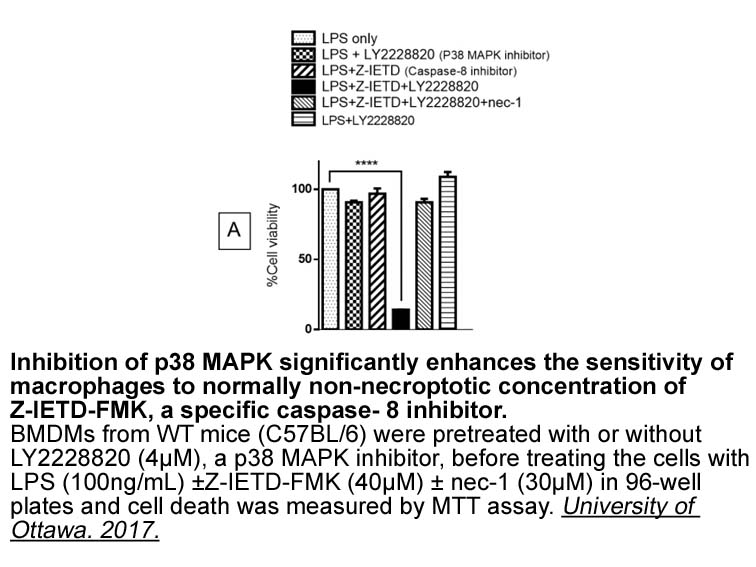
Glucose-induced nuclear translocation of several enzymes, including GK, glyceraldehyde-3-phosphate dehydrogenase (GAPDH), muscle GS, aldolase, lactate dehydrogenase (LDH) and phosphoglycerate kinase (PGK) is a well-known phenomenon. Additional functions have been proposed for these enzymes in the nu
-
Microglia after activation can show prominently pro inflamma
2022-08-18
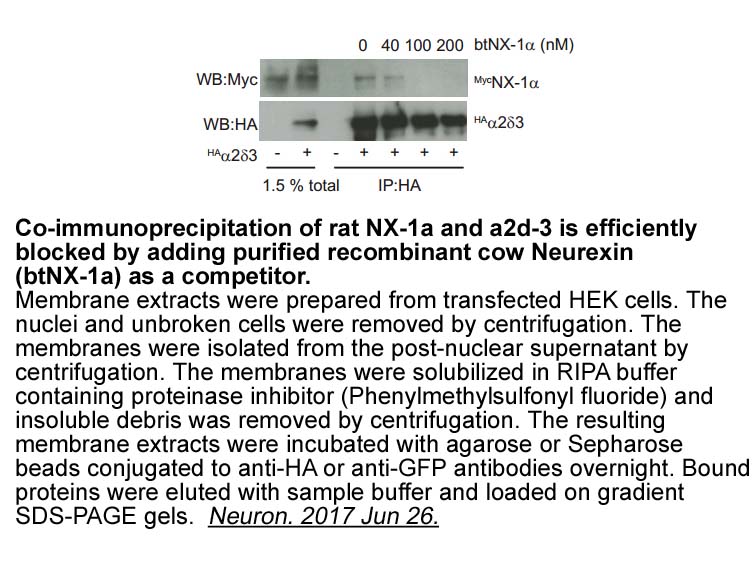
Microglia after activation can show prominently pro-inflammatory but also anti-inflammatory characteristics [46]. Although the ageing process is not a pathological process, many of the age-associated changes resemble those observed under pathological conditions. An increase number of pro-inflammator
-
Consistent with a similar study we found economic
2022-08-18
Consistent with a similar study, we found economic status to be very important to domestic funding of HIV. Upper-middle-income and high-income countries are more likely to have fiscal space for health and be less reliant on external sources. Moreover, richer countries often attract larger cofinancin
-
br Author contributions br Declaration of conflict
2022-08-17
Author contributions Declaration of conflict of interest Acknowledgements We are grateful to the Director, National Institute of Immunology for his support. The work was partially supported by J.C. Bose Fellowship to SSM. We acknowledge the help from staff of Small Animal Facility of Nation
-
Three additional Type I CDK and CDK kinase inhibitors have
2022-08-17
Three additional Type I CDK8 and CDK19 kinase inhibitors have also been recently reported. Orally available 3-benzylindazole 12 was discovered by optimization of compounds with HSP90 affinity to yield potent and selective CDK8 inhibitors. Compound 12 showed strong binding activity for CDK8 with an I
-
Given the involvement of dysregulated S nitrosylation in mul
2022-08-17
Given the involvement of dysregulated S-nitrosylation in multiple pathological conditions, a number of approaches to regulate S-nitrosylation therapeutically are being tried in multiple indications [18]. In the lung, GSNO releasing compounds and GSNOR inhibitors are being considered as potential the
-
The GLU Epac transgenic mouse enabled us
2022-08-17
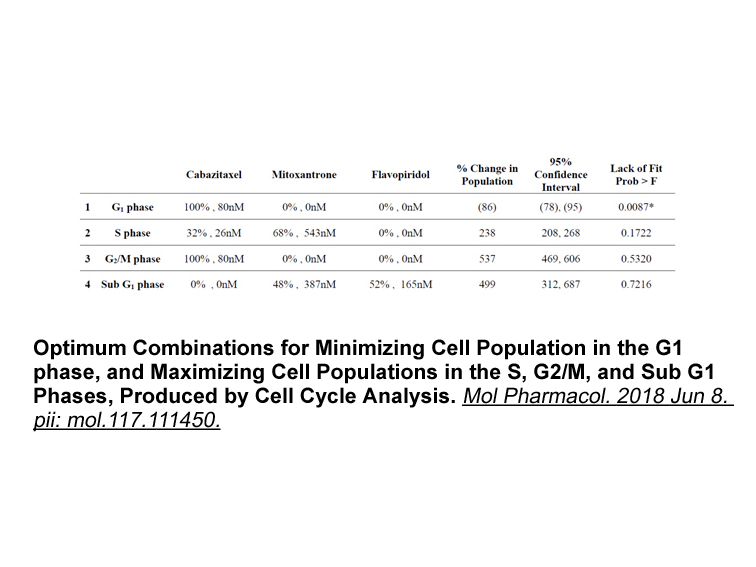
The GLU-Epac transgenic mouse enabled us to monitor cAMP responses to GPR119 ligands in individual primary cultured L-cells. Not all L-cells were found to be responsive to AR231453, suggesting there may be a subpopulation of L-cells that do not express functional GPR119. There was a tendency for sma
-
Conjugated BAs via S PR also activate ERK and
2022-08-17
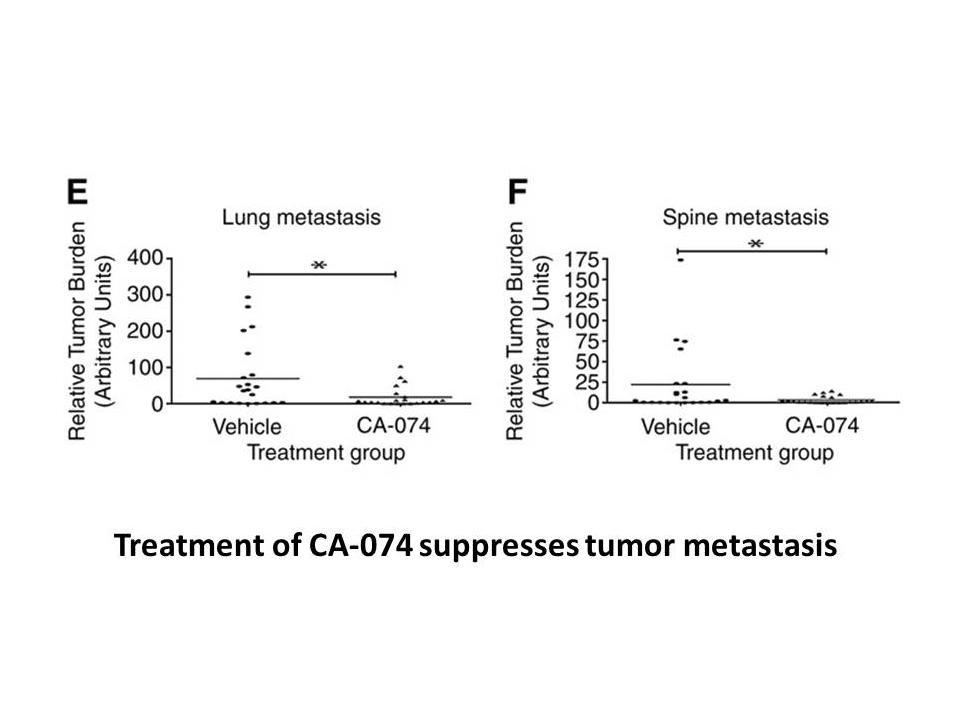
Conjugated BAs via S1PR2 also activate ERK1/2- and AKT-signaling pathways leading to the growth and invasion of cholangiocarcinoma cells. The role of conjugated BAs via S1PR2 to regulate apoptosis or cancer progression remains to be dissected. Nevertheless, there is no doubt that the composition of
-
br Introduction In the treatment of patients with
2022-08-17
Introduction In the treatment of patients with AIDS and human immunodeficiency virus type 1 (HIV-1), anti-retroviral therapy (ART), which uses anti-HIV drugs such as protease inhibitors, integrase inhibitors and reverse transferase inhibitors, has made a major contribution. There are still some s
16614 records 425/1108 page Previous Next First page 上5页 421422423424425 下5页 Last page