Archives
- 2026-06
- 2026-05
- 2026-04
- 2026-03
- 2026-02
- 2026-01
- 2025-12
- 2025-11
- 2025-10
- 2025-09
- 2025-04
- 2025-03
- 2025-02
- 2025-01
- 2024-12
- 2024-11
- 2024-10
- 2024-09
- 2024-08
- 2024-07
- 2024-06
- 2024-05
- 2024-04
- 2024-03
- 2024-02
- 2024-01
- 2023-12
- 2023-11
- 2023-10
- 2023-09
- 2023-08
- 2023-07
- 2023-06
- 2023-05
- 2023-04
- 2023-03
- 2023-02
- 2023-01
- 2022-12
- 2022-11
- 2022-10
- 2022-09
- 2022-08
- 2022-07
- 2022-06
- 2022-05
- 2022-04
- 2022-03
- 2022-02
- 2022-01
- 2021-12
- 2021-11
- 2021-10
- 2021-09
- 2021-08
- 2021-07
- 2021-06
- 2021-05
- 2021-04
- 2021-03
- 2021-02
- 2021-01
- 2020-12
- 2020-11
- 2020-10
- 2020-09
- 2020-08
- 2020-07
- 2020-06
- 2020-05
- 2020-04
- 2020-03
- 2020-02
- 2020-01
- 2019-12
- 2019-11
- 2019-10
- 2019-09
- 2019-08
- 2019-07
- 2019-06
- 2019-05
- 2019-04
- 2018-11
- 2018-10
- 2018-07
-
AP was originally described as a heterodimer of
2024-04-26
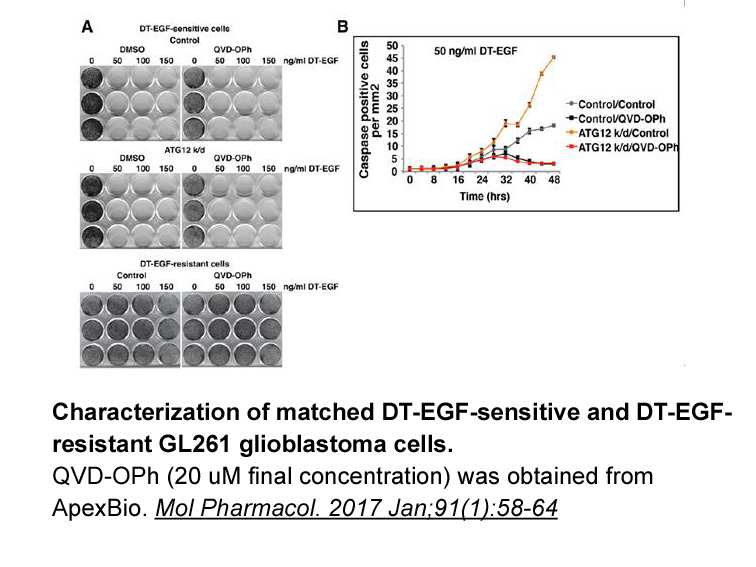
AP-1 was originally described as a heterodimer of the bZIP proteins c-Jun and c-Fos. The experiments described here showed that stimulation of TRPV1 channels induced the expression of both of these classical constituents of AP-1. The essential role of both proteins was analyzed in a series of experi
-
The AT hook motif is
2024-04-26
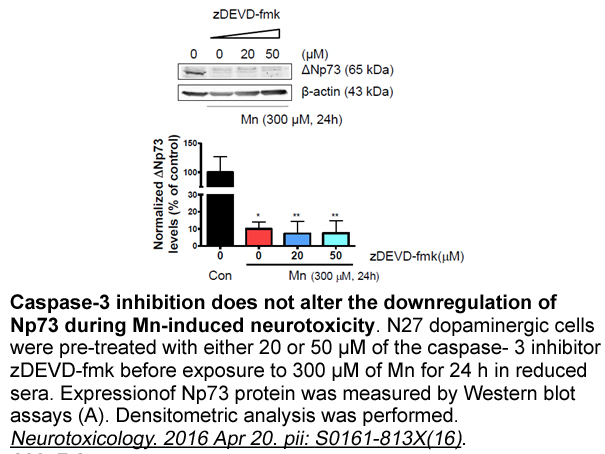
The AT-hook motif is highly conserved in evolution from bacteria to humans and is found in one or more copies in a large number of other, non-HMGA, proteins, many of which are transcription factors or are involved in chromatin remodeling [8]. For example, AT-hook peptide motifs are essential compone
-
The habit of prescribing antibiotics just in case there is
2024-04-26
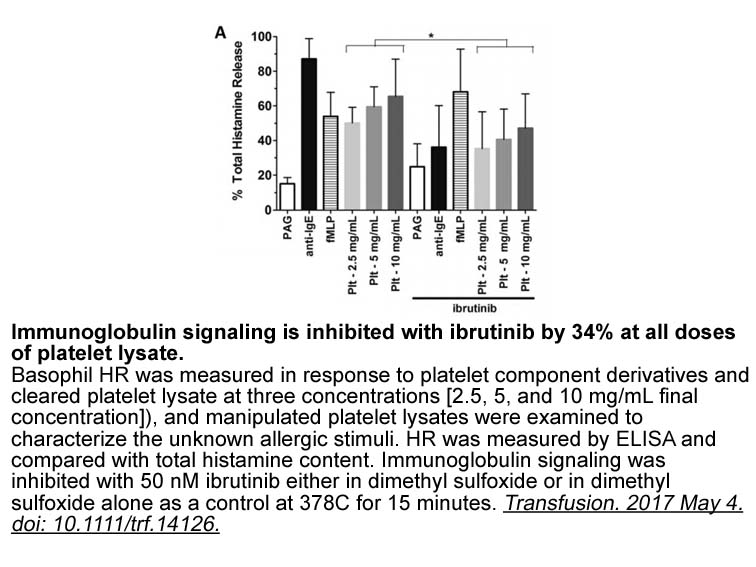
The habit of prescribing dihydrochloride sale “just-in-case” there is an infection is based on the misguided perception that antibiotics are “safe” drugs and therefore pose little risk to patients. Surgeons need to dispel this myth. In the outpatient setting, antibiotic-associated ADEs account for 1
-
br Method of literature search br Disclosures br Acknowledgm
2024-04-26
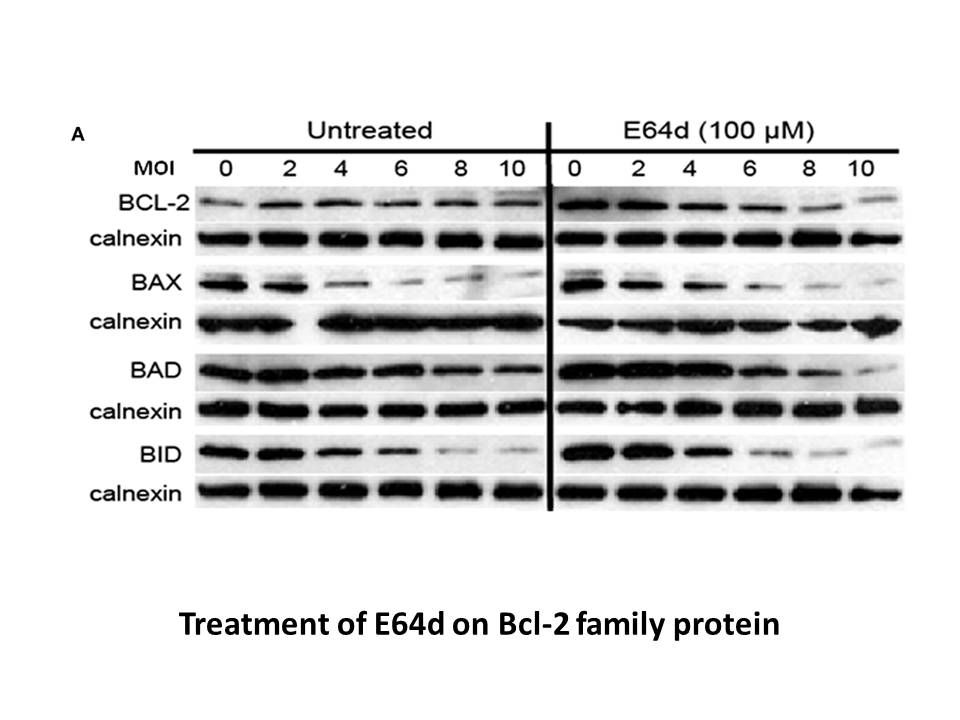
Method of literature search Disclosures Acknowledgment The authors thank and acknowledge Mrs. Jaini Parekh, BFA, for illustrating the diagram in Figure 1. An overview of angiogenesis Angiogenesis is a biological process through which there is the formation of new blood vessels from pre-
-
br The lipoxygenase pathway in vascular physiology and patho
2024-04-25
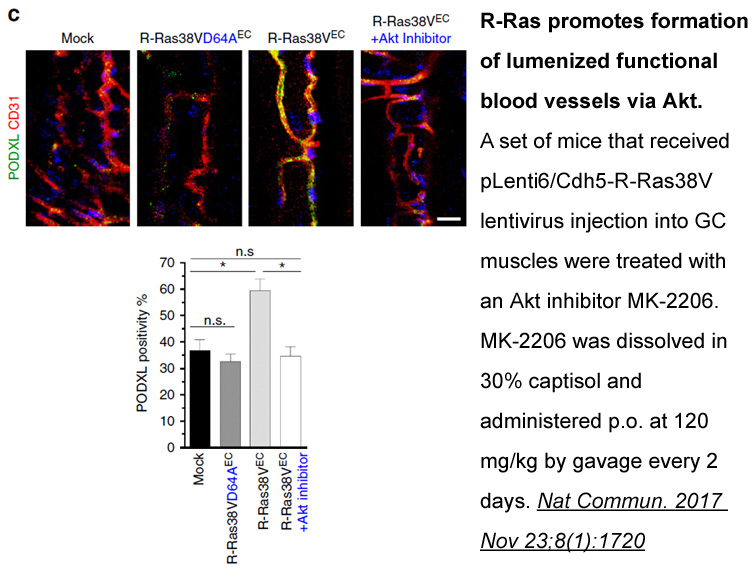
The 12/15-lipoxygenase pathway in vascular physiology and pathology The mammalian 12- and 15-LOXs have high substrate specificity oxidizing predominantly ω−6 (arachidonic and linoleic acids) but also the ω−3 (docosahexanoic) vilazodone hcl [86], [87], [88]. Different LOXs oxidize fatty acids bot
-
Medium spiny neurons MSNs in the striatum start from
2024-04-25
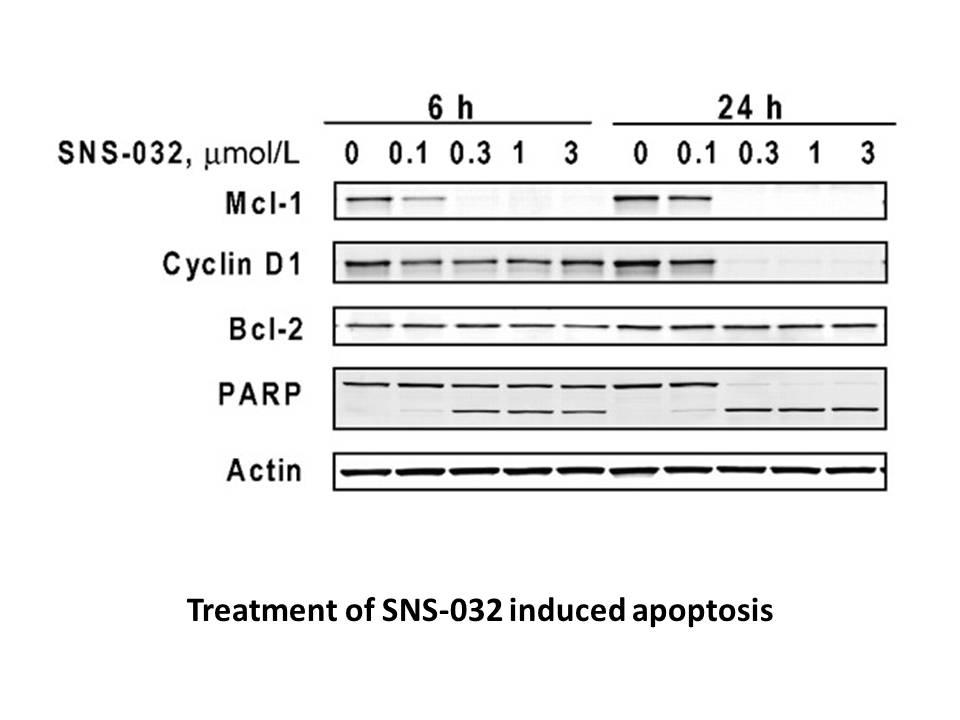
Medium spiny neurons (MSNs) in the striatum start from a deeply hyperpolarized resting membrane potential, slowly depolarize and show a delayed start of firing during a current injection (Kawaguchi, 1993, Nisenbaum and Wilson, 1995, Planert et al., 2013). The firing pattern during the current inject
-
br Acknowledgments This work was
2024-04-25
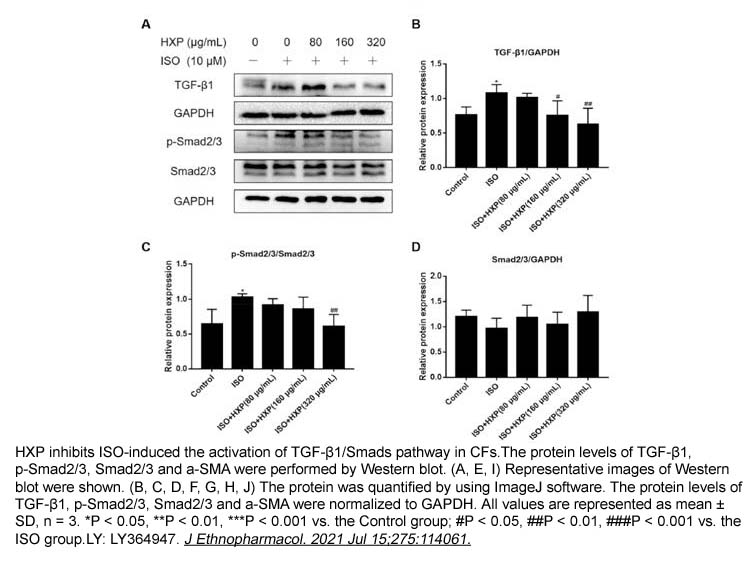
Acknowledgments This work was supported by Grant-in-aid for Scientific Research (S) (20229008) (to T.K.), Targeted Proteins Research Program (to T.K.), the Global COE Research Program (to T.K.) and Translational Systems Biology and Medicine Initiative (to T.K.) from the Ministry of Education, Cul
-
br Conclusion br Conflict of Interest
2024-04-25

Conclusion Conflict of Interest Author Contributions Acknowledgements This work was supported by a research grant (SR/50/AS-14/2012) from the Department of Science and Technology, New Delhi, India to CMC and CSIR Senior Research Fellowship (09/013(0339)/2010-EMR-I) to SB. Introduction
-
kinesin inhibitor Pioneering studies on the immunomodulatory
2024-04-25
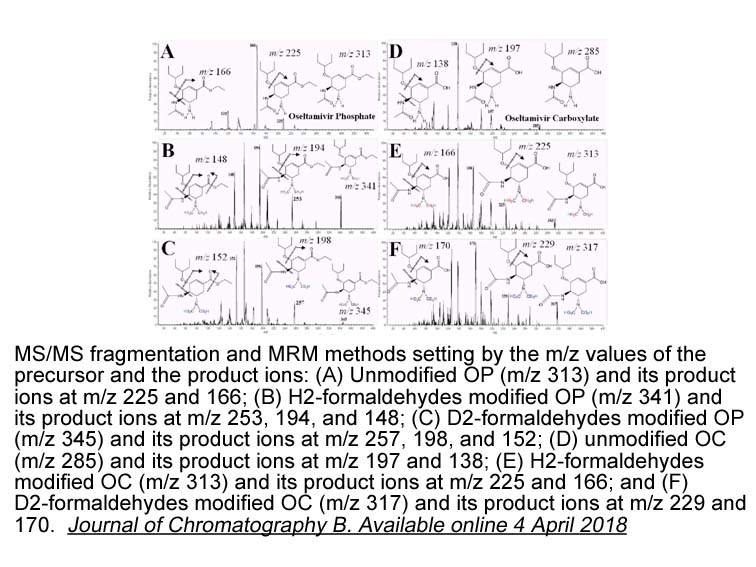
Pioneering studies on the immunomodulatory role of adenosine date back to the early ‘70 s of last century (Fig. 1), when the critical role of this nucleoside in shaping the development and the activity of several immune cell populations was first established [[18], [19], [20], [21], [22]]. This then
-
br Actin cytoskeleton in protrusion Pushing
2024-04-25
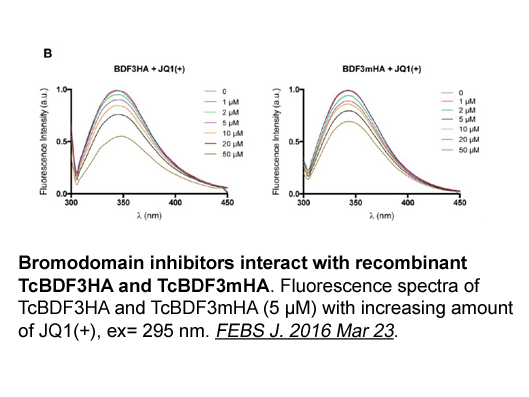
Actin cytoskeleton in protrusion Pushing force driving membrane protrusion is generated by polymerizing Indacaterol Maleate filaments organized either into branched networks or parallel bundles. Branched networks are assembled through Arp2/3 complex-dependent actin nucleation and drive protrusio
-
The total IgG concentration decreased from a mean
2024-04-25
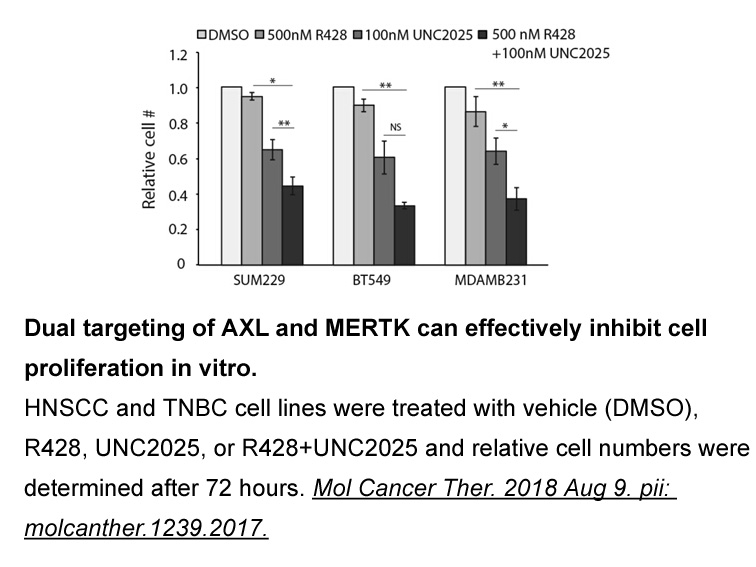
The total IgG concentration decreased from a mean of 997 mg/100 ml before treatment to a mean of 696 after treatment in the MuSK+MG patients, and from a mean of 1736 mg/100 ml to a mean of 802 mg/100 ml in the AChR+MG patients (normal values 723–1685 mg/100 ml). This decrement was also statistically
-
However for a molecular target to be
2024-04-25

However, for a molecular target to be useful in AD, it must rescue behavioral as well as biochemical insults. In humans, AD memory impairments typically declare themselves initially as disruption of episodic memory and consolidation of new memories, eventually progressing to global cognitive decline
-
br Acknowledgements We thank Dr Stefan Schulte Merker
2024-04-25
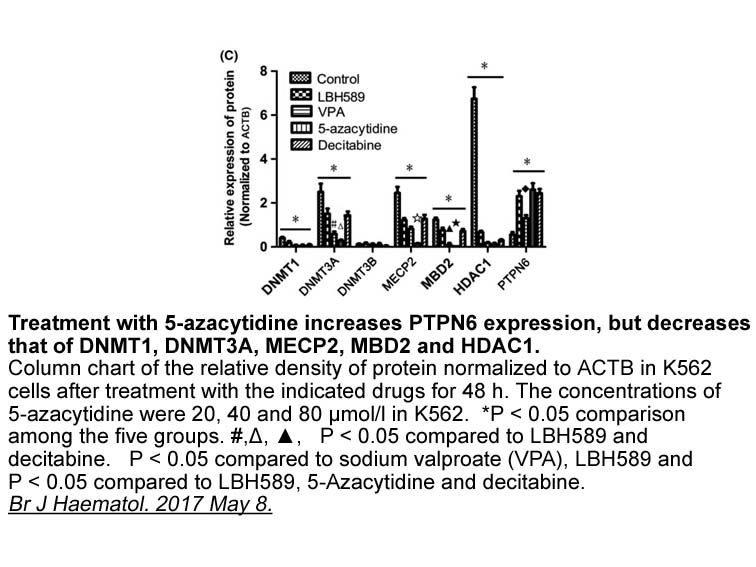
Acknowledgements We thank Dr. Stefan Schulte-Merker and his group members at the Hubrecht Institute (Utrecht, the Netherlands) for their invaluable support of the zebrafish studies. Our work is supported by grants from the Dutch Cancer Society (KWF) and the Netherlands Organisation for Scientific
-
br Results br Discussion Autophagy is considered as an
2024-04-25
Results Discussion Autophagy is considered as an important process in physiological and pathological ovarian function. It is related mainly to follicular atresia and CL regression (for review see [20]). However, an involvement in luteal cell survival is also proposed [21], [22]. The present st
-
MLN another selective Aurora A inhibitor
2024-04-25

MLN8237, another selective Aurora-A inhibitor is said to be more potent than MLN8054 and to cause less benzodiazepine-like side effects based on structure modulation by the addition of a methoxy group to either end of the MLN8054 molecule. It was studied [62] in a once daily (QD) schedule for 7 days
16612 records 191/1108 page Previous Next First page 上5页 191192193194195 下5页 Last page